

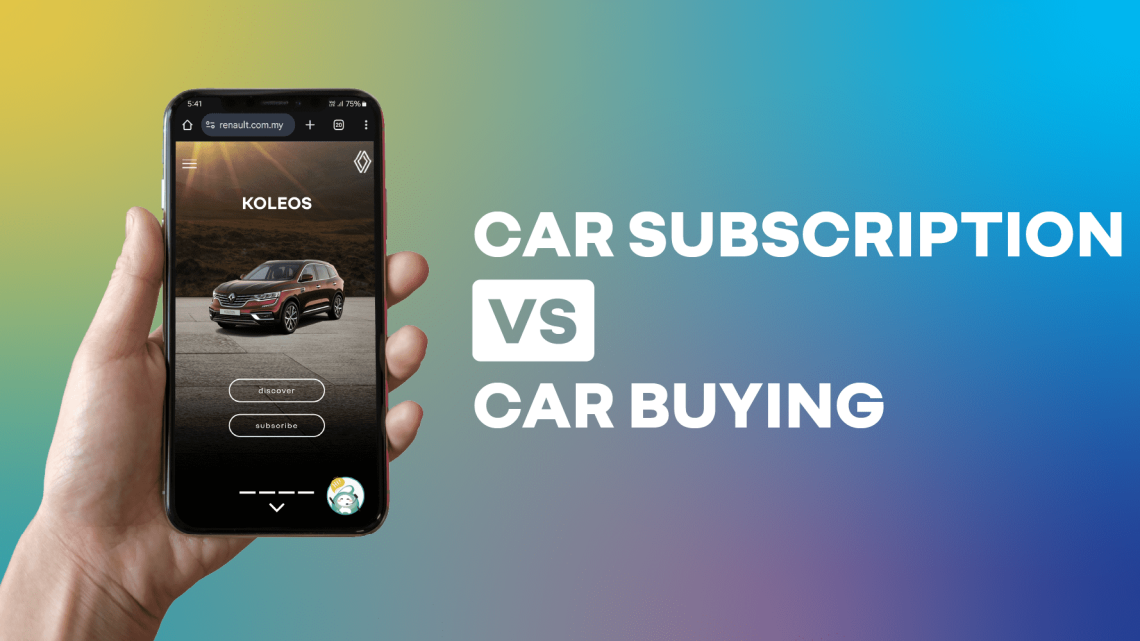
Car Subscription Services vs. Ownership: A Long-Term Cost Analysis
February 2, 2026Let’s be honest. The idea of a car payment that never ends is, well, a bit depressing. But what if that payment came with zero maintenance surprises, the ability to swap vehicles, and no nasty depreciation hit? That’s the promise of car subscriptions. They’re slick, they’re flexible, and they’re marketed as the modern answer to the old-school burden of ownership.
But is it actually cheaper? Or even smarter in the long run? The answer isn’t a simple yes or no—it’s a tangled web of math, lifestyle, and what you truly value. Let’s dive in and peel back the layers of this financial onion. You might be surprised by what we find.
The Upfront Math: A Tale of Two Models
First, the basics. Ownership costs are a bit of a rollercoaster. You have that big down payment, the monthly loan or lease payment, insurance, registration, and then… you wait for the maintenance bills to roll in. It’s predictable, until it’s absolutely not. A transmission goes, and suddenly you’re out thousands.
Car subscriptions, on the other hand, aim for a flat, all-in monthly fee. We’re talking about companies like Care by Volvo, Porsche Drive, or Canvas (from Ford). That single payment typically bundles the car, insurance, maintenance, roadside assistance, and even registration. It’s simple. Almost deceptively so.
The Ownership Cost Breakdown (The Known Unknowns)
To own a $35,000 new car over 5 years, your costs aren’t just the loan. Here’s a rough, admittedly sobering, look:
| Cost Category | Estimated 5-Year Total |
| Loan Payments (with interest) | $22,000 – $25,000 |
| Insurance | $7,500 – $10,000 |
| Maintenance & Repairs | $4,000 – $6,000 |
| Depreciation (the big one!) | $15,000 – $18,000 |
| Taxes & Fees | $2,000 – $3,000 |
| Total Out-of-Pocket | $50,500 – $62,000+ |
See that? Depreciation is the silent budget killer. It’s the cost you never write a check for, but it’s real money gone when you sell. And maintenance? It’s a ticking clock.
The Subscription Cost: Predictability at a Premium
Now, a typical mid-tier car subscription service might run you $600 to $1,200 a month. Let’s take a conservative average: $800/month. Over that same 5 years?
$800 x 60 months = $48,000.
On paper, that looks… competitive with ownership, right? Maybe even cheaper. But here’s the catch—the devil is in the duration. After five years of owning, you have an asset (a paid-off car with some value). After five years of subscribing, you have… receipts. You’ve built zero equity.
The Long-Term Curve: Where the Paths Diverge
This is where the analysis gets interesting. Think of ownership like buying a house. The early years are expensive, but eventually, you hit a sweet spot—the “payment-free” period after the loan is gone. Your costs plummet to just insurance, modest maintenance, and fuel. That’s when you reap the reward of your early investment.
A subscription, honestly, is more like a permanent, upscale apartment lease. The convenience is fantastic—call for a repair, it’s not your problem. Want a different model? Switch it out. But the monthly cost never goes away. In fact, it’ll likely creep up with inflation. Over a 10-year horizon, the math tilts heavily toward ownership for the average person.
The Hidden Variables & Lifestyle Calculus
But cost isn’t just about the sum total. It’s about value. And this is where subscriptions shine for a certain audience.
When a Subscription Might Make Sense (Financially & Mentally)
- You crave variety or have changing needs. Need an SUV for ski season and a convertible for summer? A subscription can accommodate that without the hassle of buying and selling.
- You hate surprise bills. The peace of mind of a single, predictable payment is worth a premium. It’s a financial anxiety tax you’re willing to pay.
- You’re in a life transition. Moving cities, testing a new job, or just not sure where you’ll be in two years? The flexibility is gold.
- You want access to luxury without the long-term commitment. Driving a high-end car is usually a depreciation nightmare for an owner. As a subscriber, you get the experience without the catastrophic financial hit.
When Ownership Still Wins the Wallet War
- You plan to keep a car for 7+ years. This is the ultimate cost-saver. You ride out the depreciation, enjoy years of low-cost driving, and come out ahead.
- You’re handy or have a trusted mechanic. You can mitigate maintenance costs, the biggest variable in ownership.
- You drive a modest, reliable vehicle. Buying a sensible used car—a Toyota, Honda, etc.—and maintaining it is still the undisputed champion of low long-term transportation cost.
- Equity matters to you. That car is an asset on your personal balance sheet, however depreciating. For some, that psychological and financial footing is crucial.
The Verdict? It’s Not Just About the Money
So, after all that number-crunching, here’s the deal. If you’re purely optimizing for the lowest possible cost over a decade or more, traditional ownership—especially of a reliable, non-luxury vehicle—is incredibly hard to beat. The subscription model, by its very structure, will almost always cost more in pure dollars over a long enough timeline.
But. And it’s a big “but.”
We don’t make decisions based purely on spreadsheets. We make them based on lifestyle, stress levels, and what we value our time for. A car subscription service is essentially monetizing convenience, flexibility, and peace of mind. You’re paying a premium to outsource hassle.
In the end, the choice mirrors a broader shift in how we view assets versus access. Do you want the responsibility and potential reward of an asset? Or the lightweight, on-demand nature of access? The right answer depends entirely on which season of life you’re in, and what you’re willing to pay for a smoother ride—both on the road and through your monthly budget.