

The Future of Auto Insurance in the Age of Autonomous Vehicles
February 23, 2026Let’s be honest, the idea of a car that drives itself still feels like science fiction to most of us. You know, the kind of thing we were promised in old movies. But it’s inching closer to reality every day. And as these vehicles shift from test tracks to our streets, a massive question rumbles in the background: what happens to auto insurance?
It’s a fundamental shift. For over a century, insurance has been built on a simple, human-centric premise: who was at fault in an accident? The driver. But when the “driver” is a complex web of software, sensors, and algorithms, that model starts to crumble. The future of auto insurance isn’t just a tweak; it’s a complete reinvention.
From Driver Liability to Product Liability
Here’s the deal. In a world of fully autonomous vehicles (we’re talking Level 5, no steering wheel), the responsibility for safe operation migrates. It moves from the person in the seat to the manufacturers and software developers. Think about it like this: if your laptop crashes, you don’t blame yourself—you might blame the operating system.
The same principle applies. The core of auto insurance for autonomous cars will likely pivot towards product liability coverage. This means the financial responsibility for crashes caused by system failures, faulty sensors, or bad code would fall on the automaker or tech company, not the vehicle owner.
Sure, you might still have a policy. But it could look more like appliance insurance, covering things like cyberattacks, hacking, or general damage from weather or vandalism. The risk calculation flips on its head.
The Messy Middle: The Transition Period
Now, we won’t wake up tomorrow in that fully autonomous world. We’re stuck in what experts call the “messy middle” for decades. This is the era of semi-autonomous features—adaptive cruise, lane-keeping, automatic emergency braking. And it’s a legal and insurance nightmare.
Who’s at fault if a car on autopilot rear-ends someone? Is it the driver for not being attentive? Or is it the manufacturer for a system glitch? These questions are being fought in courtrooms right now. Insurance policies in this phase will have to be incredibly nuanced, parsing data from the vehicle’s black box to assign blame between human error and machine failure.
Data: The New Currency of Risk
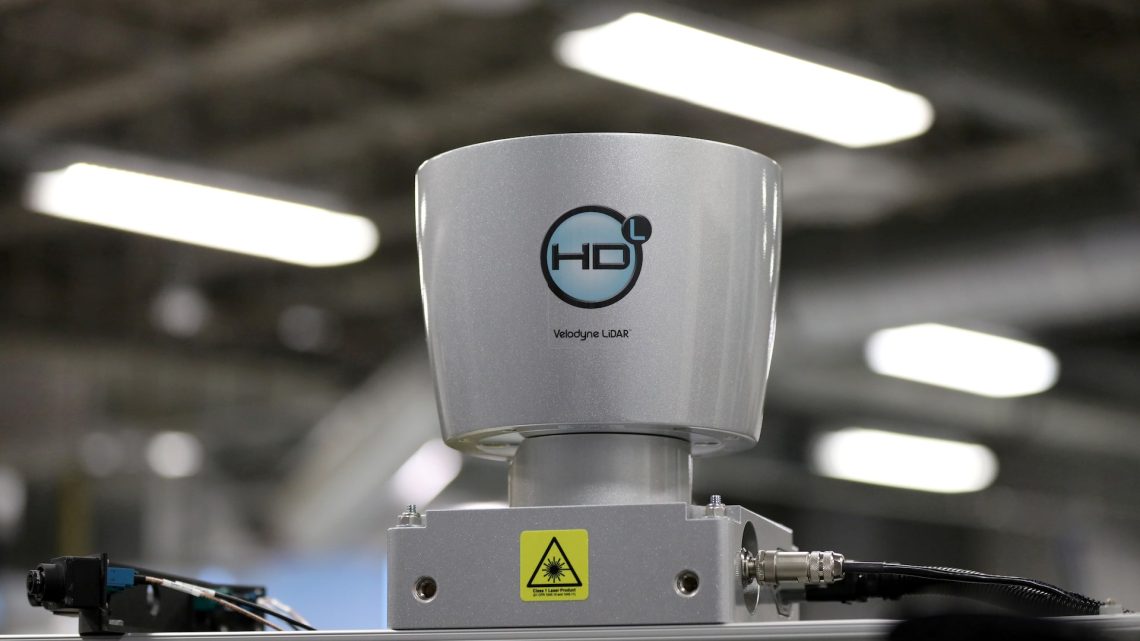
This brings us to the heart of the shift: data. Autonomous vehicles are data factories. They generate terabytes of information on every trip—how they react to obstacles, braking patterns, near-misses, you name it.
For insurers, this data is pure gold. It allows for usage-based insurance (UBI) on steroids. Instead of basing your premium on your age or zip code, it could be based on the specific safety performance of your car’s AI, the routes you choose, or even the cybersecurity software you have installed. The risk assessment becomes hyper-personalized and real-time.
| Traditional Insurance Model | Future Autonomous Model |
| Based on driver history (human) | Based on system performance & data (machine) |
| Pays for accidents after they happen | May focus on preventing accidents via data |
| Liability rests with the driver | Liability shifts to manufacturer/software |
| Standardized policies | Dynamic, personalized policies |
Potential Winners and Losers
This revolution won’t happen without creating some turbulence in the industry.
On one hand, personal premiums could plummet for owners of highly-rated autonomous vehicles. If the car is statistically safer than a human, insuring it should be cheaper, right? The promise is a significant reduction in accidents, which is a wonderful thing. Society wins there.
But the traditional auto insurance agent, the one focused solely on personal auto policies, might face real disruption. The money—the big premiums—could flow directly to commercial policies for fleets of robotaxis or product liability policies for tech giants.
New players will emerge. We might see software companies offering embedded insurance with the vehicle’s purchase. Or cybersecurity firms partnering with insurers to offer hack-protection bundles. The landscape will get crowded, fast.
New Risks on the Road
It’s not all cost savings and efficiency, though. Autonomous vehicles introduce brand-new risk categories that insurers have barely begun to price:
- Cyber Liability: A hacked vehicle could be weaponized. Who pays for damages from a coordinated cyberattack on a fleet?
- Data Privacy Breaches: These cars collect insane amounts of personal data. Insuring against a breach of that data becomes critical.
- Infrastructure Gaps: What happens when a perfectly good AI system gets confused by faded lane markings or a missing stop sign? The liability could blur between the car maker and the city.
The Human Element Endures
Here’s a thought. Even in a fully autonomous future, we won’t eliminate human-driven cars overnight. Classic cars, hobbyist vehicles, and just personal preference will keep them on the road. This creates a mixed-use risk environment that’s incredibly complex to manage.
And honestly, the insurance product itself will need to feel more human, even as it’s powered by machines. Explaining a premium based on your car’s software version or its data-sharing settings? That requires a new level of customer communication and trust.
The industry’s role might evolve from pure financial protection to more of a risk management partner—helping you understand the safety ratings of different AI systems or the cybersecurity updates your car needs. It becomes less about reacting to crashes and more about preventing them altogether.
So, where does this leave us? The road ahead is long and winding, full of legal potholes and technological surprises. Auto insurance won’t vanish; it will transform. It will become less about insuring your mistakes and more about insuring the technology you choose to trust with your life.
The ultimate goal, hidden beneath all this industry change, is a powerful one: a world with far fewer accidents, injuries, and losses. The insurance model of the future will simply be a financial mirror reflecting that new, safer reality—whenever we finally get there.