

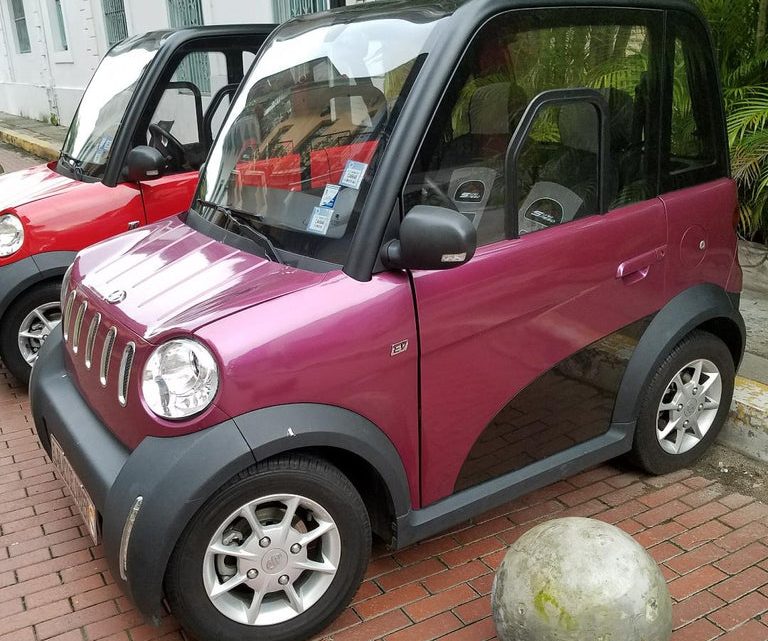
The Rise of Micro-Mobility and Car Integration: Redefining Urban Living
April 13, 2026Let’s be honest. For decades, the urban commute was a binary choice: your car or public transit. One offered freedom but with the cost of traffic, parking, and fumes. The other was often a lesson in patience and crowd navigation. But something’s shifted. A quiet—well, sometimes electric-scooter-buzzing—revolution is happening on our curbs and in our apps. It’s the rise of micro-mobility, and it’s not just a fad. It’s fundamentally changing how we think about getting around, and surprisingly, it’s even changing the role of the car itself.
What Exactly is This “Micro-Mobility” Ecosystem?
In short, it’s all the small, often electric, devices for short trips. Think e-scooters, e-bikes, shared bicycles, and even those funky-looking e-mopeds. They’re designed for what transportation wonks call the “first and last mile”—that awkward distance between your front door and the train station, or the bus stop and your office. The goal? To fill the gaps that traditional transit can’t quite reach.
And the appeal is visceral. There’s a sense of immediacy, of zipping through gridlock. You feel the city differently on a bike or scooter. You’re not sealed in a box; you’re part of the street’s rhythm. The numbers back up the feeling, too. The global micro-mobility market is exploding, projected to be worth well over $200 billion by 2030. That’s not just venture capital money; that’s real people making real choices, day after day.
So, Where Does the Car Fit In? It’s Evolving.
Here’s the interesting part. This isn’t a simple story of micro-mobility replacing the car. For many urban dwellers, it’s about car integration for a seamless urban lifestyle. The car is becoming less of a daily workhorse and more of a specialized tool. You know, for the big grocery haul, the weekend getaway, or the trip across town in pouring rain.
This shift is leading to a fascinating blend of old and new. Car ownership models are adapting. Why own a depreciating asset that sits idle 95% of the time? Instead, we’re seeing the growth of:
- Car-sharing subscriptions: Services where you pay a monthly fee for access to a fleet of vehicles parked around the city. Need a sedan for three hours? Book it on your phone.
- Peer-to-peer rentals: Renting a neighbor’s car for the day. It turns every parked car into a potential resource.
- On-demand ride-hailing: Sure, Uber and Lyft. But even these services are integrating micro-mobility options into their apps.
The car isn’t vanishing. It’s being demoted from the center of the transportation universe to one planet among many in a broader mobility solar system. And honestly, that’s a healthier relationship for our cities and our wallets.
The Practical Perks: Why This Combo Just Works
Mixing a micro-mobility mindset with flexible car access solves some very real urban pain points. Let’s break it down.
| Pain Point | Micro-Mobility Solution | Integrated Car Access |
| Traffic Congestion | Filter through stalled traffic, use bike lanes. | Avoid daily driving; use car only when truly efficient. |
| Parking Costs & Hassle | Park at a bike rack or designated scooter zone. | No need for a costly permanent parking spot. |
| “Last-Mile” Problem | Bridge the gap from transit to destination seamlessly. | Drive to a transit hub, park cheaply, then use micro-option for final stretch. |
| Cost of Ownership | Very low per-trip cost, often just a few dollars. | Swap fixed costs (loan, insurance, maintenance) for variable, pay-per-use costs. |
| Environmental Impact | Zero direct emissions (if electric). | Drastically reduced vehicle miles traveled and overall footprint. |
You see the synergy? It’s about having the right tool for the job. You wouldn’t use a sledgehammer to hang a picture frame. So why use a two-ton SUV to pick up a prescription eight blocks away?
The Hurdles on the Path: It’s Not All Smooth Sailing
Of course, this new world has growing pains. Safety is a huge, valid concern. Sharing roads designed for cars with scooters and bikes requires better infrastructure—protected lanes, clearer regulations. There’s also the “clutter” issue of dockless devices littering sidewalks. And equity of access is critical; these services must reach beyond affluent downtown cores.
But cities are adapting. They’re redesigning streets, creating “slow zones,” and implementing geofencing to control where devices can be ridden or parked. The technology and the urban planning are, slowly, starting to catch up to the behavioral shift.
A Day in the Life: What Integrated Mobility Looks Like
Let’s make it concrete. Imagine a Tuesday for Sam, who lives in a mid-sized city.
- Morning Commute: Sam walks 5 minutes to a bus stop. The bus gets her 80% of the way to work. For the last half-mile, she hops on a shared e-scooter she unlocked via an app. Total time: 25 minutes. Stress level: low.
- Lunchtime Errand: She needs a specific ingredient from a market a mile away. Too far to walk, too short to drive. She grabs a shared e-bike from a station near her office. Easy.
- Evening Plans: Friends are meeting across town for dinner. It’s raining. Sam opens her car-share app, reserves a hybrid for two hours, and drives. She drops it off in a designated zone near the restaurant. No parking hunt, no insurance worries.
That flow—that’s the future. A future where the convergence of micro-mobility and car-sharing services creates a fluid, multi-modal transportation network. It’s less about what you own and more about what you can access.
The Road Ahead: Smarter Cities and Smarter Choices
The ultimate success of this integration hinges on two things: technology and urban design. We’re already seeing apps that aggregate different modes—train, scooter, car-share—into one single trip plan and payment. Imagine a “mobility wallet” that handles everything.
But the physical space matters more. Cities need to prioritize people over vehicles. More dedicated micro-mobility lanes, more “mobility hubs” where you can transfer between bus, bike, and car, and yes, perhaps even reclaiming some parking spaces for public plazas or bike storage. It’s a renegotiation of the street itself.
In the end, the rise of micro-mobility and its integration with the car isn’t really about gadgets or apps. It’s about a fundamental shift in perspective. It’s recognizing that urban living thrives on flexibility, efficiency, and a bit of fresh air. The 20th century was about the freedom of the open road. The 21st might just be about the freedom of the right option—and getting a little breeze in your hair along the way.