

Understanding and Maintaining Advanced Driver-Assistance Systems (ADAS)
March 9, 2026Your car is getting smarter. Honestly, it’s not just about horsepower or leather seats anymore. The real tech revolution is happening behind the scenes—and on the windshield and bumpers—with Advanced Driver-Assistance Systems, or ADAS. These are the electronic co-pilots designed to make driving safer and, well, a bit less exhausting.
But here’s the deal: these systems aren’t “set it and forget it.” They’re sophisticated, sensor-dependent, and need a different kind of care than checking your oil. Let’s dive into what ADAS really is, how it works, and the surprisingly important maintenance it requires to keep you protected.
What Exactly Is ADAS? It’s More Than Just Cruise Control
Think of ADAS as a suite of electronic senses and reflexes for your vehicle. It uses cameras, radars, ultrasonic sensors, and sometimes even LiDAR to perceive the world around your car. Then, it either warns you of danger or actively intervenes to prevent it.
The Core Components: The Eyes and Ears of Your Car
Every ADAS feature relies on a few key hardware pieces. You’ve probably seen them without even realizing:
- Forward-Facing Camera: Mounted near the rearview mirror, it reads lane markings, sees traffic signs, and spots pedestrians. It’s the system’s primary “eyes.”
- Radar Sensors: Usually hidden in the grille or bumper. They excel at measuring the distance and speed of objects ahead, even in fog or rain. Crucial for adaptive cruise control and automatic emergency braking.
- Ultrasonic Sensors: Those little circles on your bumpers. They’re the proximity beepers for parking, creating a sonic picture of what’s close.
- Electronic Control Unit (ECU): The brain. It processes all the sensor data in milliseconds and decides to alert you or take action.
When these components work in harmony, the magic happens. But if one gets dirty, misaligned, or fails? The whole system’s judgment can be compromised.
Common ADAS Features You Probably Already Use
You might be using ADAS every day and just call it “that beep when I drift” or “the car that brakes in traffic for me.” Here’s a quick breakdown of the most common features:
| Feature | What It Does | Key Sensor(s) |
| Adaptive Cruise Control (ACC) | Maintains a set speed AND a safe following distance from the car ahead. | Radar, Camera |
| Lane Keeping Assist (LKA) | Gently steers you back into your lane if you start to drift unintentionally. | Camera |
| Automatic Emergency Braking (AEB) | Applies the brakes if a collision is imminent and you don’t react. | Radar, Camera |
| Blind Spot Monitoring (BSM) | Alerts you (with a light or sound) if a vehicle is in your blind spot. | Radar (in rear corners) |
| Rear Cross-Traffic Alert (RCTA) | Warns of approaching traffic when you’re reversing out of a parking spot. | Radar (in rear corners) |
The Non-Negotiable: Why ADAS Maintenance is Critical
This isn’t like a squeaky brake pad you can ignore for a week. ADAS maintenance is about calibration and cleanliness. A camera that’s off by a single degree can “see” a lane marker where there isn’t one. A radar sensor clogged with winter slush is basically blind.
And the consequences? Well, a poorly calibrated system might annoy you with false warnings. Or worse, it might fail to warn you when you need it most. That’s the real risk.
Your Simple, At-Home Maintenance Checklist
Good news: you can handle a lot of this yourself. It’s mostly about awareness and a clean cloth.
- The Windshield Wipe-Down: Before any drive, especially in bad weather, quickly wipe the area in front of the rearview mirror (where the camera lives). Bug splats, grime, or ice completely block its view.
- Sensor Savvy: Know where your sensors are. Give the front grille and bumpers a visual once-over. Remove mud, snow, or those stubborn parking stickers. Be gentle—don’t scrub the sensor surface aggressively.
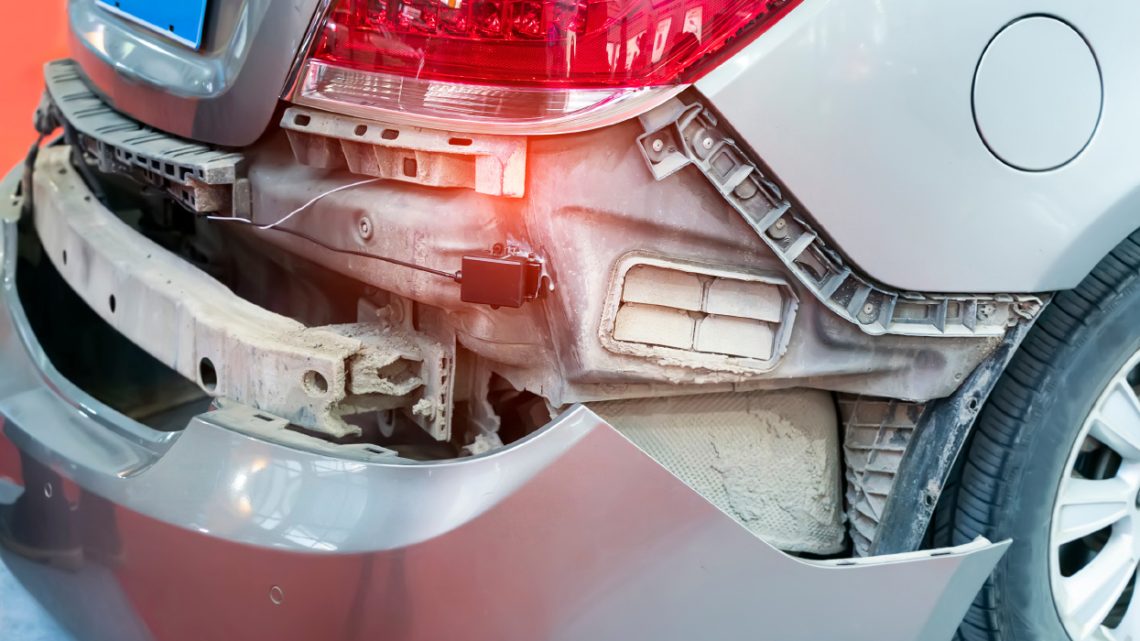
- Mind the Bodywork: This is huge. After any front-end impact, even a minor fender-bender, or after windshield replacement, ADAS calibration is almost always required. The shop must use precise targets and alignment tools to reset the sensors’ “gaze.” Don’t skip this.
- Software Updates: Yes, your car gets updates too. Sometimes they’re delivered over-the-air, sometimes at the dealership during service. These can improve performance and fix bugs, just like your phone.
The Professional Side: When to Call in the Experts
Sure, you can keep things clean. But true calibration is a job for pros with the right tools. You’ll need it in a few specific situations:
- After any collision or body repair.
- Following a windshield replacement (the camera bracket is often attached to it).
- If you notice persistent, erroneous warnings (e.g., lane departure alerts on a perfectly straight road).
- After a wheel alignment or suspension work that alters the car’s ride height.
Honestly, this is where choosing a qualified technician matters. Not all mechanics have the expensive, brand-specific calibration frames and software yet. It’s a pain point in the industry. Always ask: “Are you certified and equipped to perform a dynamic and static ADAS calibration on my specific model?”
A Final Thought: Trust, But Verify
ADAS is an incredible leap toward safety. It’s like having a vigilant passenger who never gets tired. But it’s not infallible automation—it’s assistance.
The most important system in the car is still you. These features are tools, not a replacement for engaged driving. Keep them clean, keep them calibrated, and understand their limits. That way, you and your electronic co-pilot can enjoy the road ahead, safely, for miles and miles to come.