

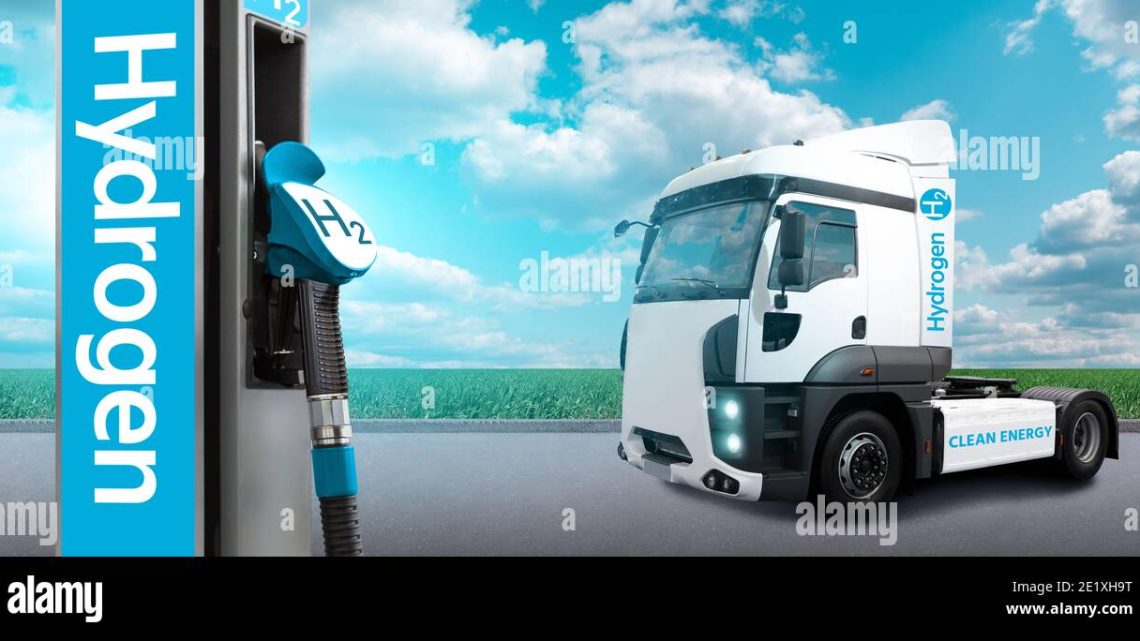
Hydrogen Fuel Cell Infrastructure Challenges for Commercial Fleet Adoption
September 28, 2026Picture this: a fleet manager stares at a spreadsheet showing diesel costs climbing, emissions regulations tightening, and a boardroom full of people asking, “What’s our zero-emission plan?” Hydrogen fuel cell electric vehicles look great on paper. Fast refueling. Long range. No tailpipe emissions except water vapor. Honestly, it sounds like the perfect answer for heavy-duty trucking, buses, and delivery vans that can’t afford to sit around charging for hours.
But here’s the deal — the vehicles aren’t really the problem anymore. The infrastructure is. And that gap between “cool technology” and “actually usable at scale” is where commercial fleet adoption keeps hitting a wall.
The Chicken-and-Egg Problem, But Worse
You’ve probably heard this one before. Fleets won’t buy hydrogen trucks until there are stations to fuel them. Energy companies won’t build stations until there are trucks to use them. Classic standoff.
What makes hydrogen trickier than, say, EV charging is the sheer cost of each station. A single hydrogen refueling station can run anywhere from $1.5 million to over $3 million, depending on capacity and location. Compare that to a DC fast-charging plaza for battery-electric trucks, which — while not cheap — often costs less per unit of energy delivered. And you can’t just sprinkle these stations around like coffee shops. They need pipelines, delivery trucks, storage tanks, compression equipment… it’s a whole ecosystem.
So when a fleet operator in, say, the Midwest wants to convert 50 trucks to hydrogen, the first question isn’t “which truck?” It’s “where on earth do I refuel?”
Production and Distribution: The Supply Chain Squeeze
Let’s talk about where hydrogen actually comes from. Most of it today is “gray” hydrogen — made from natural gas, which kind of defeats the purpose if you’re chasing zero emissions. “Green” hydrogen, made with renewable electricity, is the goal. But it’s expensive and, well, scarce.
Then there’s the distribution nightmare. Hydrogen is the lightest element in the universe. It leaks through tiny gaps. It needs to be stored at either extremely high pressure (700 bar for vehicles) or cryogenic temperatures (-253°C). That’s not exactly a garden hose situation.
For commercial fleets running fixed routes — think port drayage or regional delivery — this might be manageable with a dedicated depot. But for long-haul operations crossing state lines? You need a network. And that network doesn’t exist yet, at least not at the density diesel drivers take for granted.
What Fleets Actually Need (Versus What They Get)
Fleet managers are practical people. They don’t care about hype. They care about uptime, total cost of ownership, and whether drivers can do their jobs without drama. Let’s break down what hydrogen infrastructure needs to deliver versus the current reality:
| Fleet Requirement | Current Hydrogen Reality |
|---|---|
| Refueling in under 15 minutes | Possible, but only at high-capacity stations (rare) |
| Stations every 100–150 miles on major routes | Sparse; mostly in California |
| Predictable fuel pricing | Volatile; often $10–$30 per kg |
| Reliable supply | Occasional shortages, delivery delays |
| Scalable depot fueling | Possible but capital-intensive |
See the mismatch? It’s not that hydrogen can’t work. It’s that the infrastructure isn’t mature enough to support the kind of reliability fleets demand. And sure, early adopters in California have made it work — but California is basically its own country when it comes to hydrogen policy and funding.
The Policy Patchwork Problem
Here’s something that doesn’t get enough attention: hydrogen infrastructure incentives vary wildly by region. California has the Hydrogen Highway. Europe has its Hydrogen Backbone. Japan and South Korea are investing heavily. But in many U.S. states? Crickets.
This creates a weird situation where a fleet operating in one state might have access to grants, tax credits, and public stations, while the same fleet crossing a border finds nothing. For commercial operations, that’s a non-starter. You can’t run a business on “maybe there’s a station in the next state.”
And honestly, the permitting process for new hydrogen stations can be a slog. Fire codes, local zoning, environmental reviews — all necessary, but they add years to timelines. Years that fleets don’t have when they’re trying to meet 2030 emissions targets.
Costs That Make CFOs Wince
Let’s not dance around it. Hydrogen is expensive. The fuel itself, the vehicles, the infrastructure — all of it carries a premium right now.
A hydrogen fuel cell truck can cost $250,000 to $400,000 or more, roughly double a diesel equivalent. Fuel costs per mile are often higher than diesel, though that varies with natural gas prices and renewable energy credits. And then there’s the station investment, which usually falls on the fleet if they want depot fueling.
Now, you can argue — correctly — that total cost of ownership will improve as scale increases. But fleets don’t buy based on future promises. They buy based on what pencils out today. And today, hydrogen is a tough sell unless you’re in a niche where battery-electric just won’t cut it.
Where Hydrogen Actually Makes Sense
This isn’t a hit piece on hydrogen. Far from it. There are real use cases where fuel cells beat batteries hands down:
- Long-haul trucking — 500+ mile days, no time for long charges
- Heavy payloads — batteries get heavy fast; hydrogen scales better
- Cold climates — fuel cells lose less range in freezing temps than batteries
- High-utilization routes — back-to-back shifts where downtime kills profitability
For these applications, building dedicated hydrogen corridors — say, between major ports or along freight-heavy interstates — makes more sense than trying to blanket the entire country. It’s a targeted approach, not a moonshot.
What Needs to Happen Next
So, how do we get from here to there? A few things need to click into place:
- Public-private partnerships — Governments can de-risk early station investments, just like they did with EV charging.
- Standardization — Nozzle types, pressure levels, payment systems. Fleets shouldn’t need a PhD to refuel.
- Green hydrogen scale-up — Without cheap renewable hydrogen, the emissions case falls apart.
- Corridor strategy — Focus on high-traffic freight routes first, not random scatter.
- Transparent pricing — Fleets need to forecast fuel costs. Wild swings make planning impossible.
None of this is easy. But it’s not impossible either. The technology works. The demand is growing. The missing piece is the connective tissue — the stations, the supply chains, the policies that turn a promising fuel into a practical one.
For fleet operators, the question isn’t whether hydrogen will eventually make sense. It’s whether they can afford to wait for the infrastructure to catch up — or whether they’ll be forced to choose between battery-electric and diesel in the meantime. That’s not a rhetorical question. It’s a decision that’s being made in boardrooms right now, and the answer depends as much on pipelines and permits as it does on powertrains.