
The Electric Vehicle Battery Recycling Market: Turning Trash Into Treasure
May 18, 2026You know, when I first heard about electric vehicles, I thought, “Great, no more gas stations.” But then a friend asked me a question that stopped me cold: “What happens to the battery when it dies?” Honestly, I didn’t have an answer. And neither did a lot of people — until recently. The electric vehicle battery recycling market is now one of the most quietly explosive industries on the planet. It’s not just about being green. It’s about survival, economics, and a whole lot of lithium.
Why This Market Matters More Than You Think
Here’s the deal: EV batteries are massive. They’re heavy, complex, and packed with materials like lithium, cobalt, nickel, and manganese. Mining those materials is expensive — and often ethically messy. So instead of digging more holes in the ground, why not mine the batteries we already have? That’s the core idea behind battery recycling. It’s a circular economy in action, and it’s gaining serious momentum.
But wait — there’s a catch. Most EV batteries are still relatively young. The first wave of mass-market EVs (think early Nissan Leafs and Tesla Roadsters) is just now hitting retirement age. So the recycling industry is kind of like a fire station waiting for a fire that hasn’t fully started yet. But when it does? Boom. We’re talking billions of dollars.
The Numbers Don’t Lie
According to recent reports, the global EV battery recycling market was valued at around $2.5 billion in 2023. Some analysts project it could hit $18 billion by 2030. That’s a compound annual growth rate of over 30%. Not too shabby for an industry that barely existed a decade ago. And sure, projections can be shaky — but the trend line is clear: we’re going to need a lot more recycling capacity, fast.
| Year | Estimated Market Value (USD) |
|---|---|
| 2020 | $1.2 billion |
| 2023 | $2.5 billion |
| 2025 (projected) | $5.8 billion |
| 2030 (projected) | $18.1 billion |
That growth is driven by a few things: stricter regulations, falling battery costs, and — let’s be real — the sheer volume of dead batteries piling up. By 2030, we could see over 2 million metric tons of retired EV batteries annually. That’s a lot of dead weight. Or, you know, a lot of opportunity.
How Does Battery Recycling Actually Work?
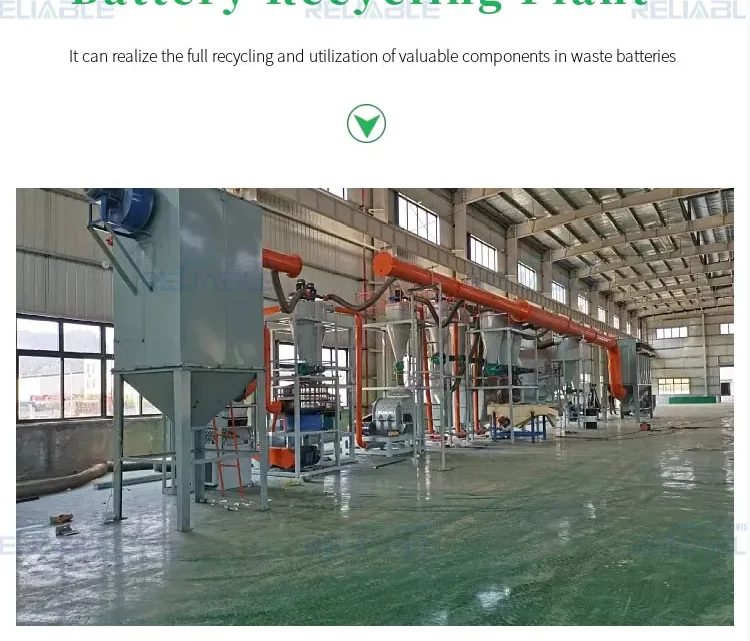
Alright, let’s get into the nitty-gritty. Recycling an EV battery isn’t like tossing a soda can in the bin. It’s a multi-step process that involves disassembly, shredding, and chemical separation. There are two main methods: pyrometallurgy (smelting) and hydrometallurgy (leaching). Both have pros and cons.
Pyrometallurgy: The Old School Way
Think of this as the “burn it all” approach. You take the battery, melt it down at crazy high temperatures, and separate out the metals. It’s energy-intensive, sure, but it works. You recover cobalt, nickel, and copper. The downside? Lithium and aluminum often get lost in the slag. Not ideal.
Hydrometallurgy: The Chemical Bath
This one’s more like a chemistry experiment. You shred the battery, then soak it in acids to dissolve the metals. Then you selectively precipitate them out. It’s more efficient for recovering lithium — up to 90% recovery rates in some cases. But it’s also more complex and produces wastewater that needs careful handling. Still, many startups are betting big on this method.
Then there’s direct recycling — the holy grail. Instead of breaking everything down, you just refurbish the cathode material and reuse it. It’s cheaper and greener, but it’s still in the lab phase. Give it a few years, though.
Who’s Leading the Charge?
You might be surprised. It’s not just Tesla or Panasonic. A whole ecosystem of recyclers has popped up, from startups to giants. Let’s look at a few key players:
- Redwood Materials — Founded by a former Tesla CTO, this Nevada-based company is one of the biggest names. They partner with Ford, Toyota, and Panasonic. Their goal? Close the loop on battery materials.
- Li-Cycle — A Canadian company using hydrometallurgy. They claim up to 95% recovery rates for cobalt, nickel, and lithium. They’ve got facilities in New York and Arizona.
- Umicore — A Belgian materials tech firm with a long history in recycling. They’ve been doing this for decades, just not at EV scale. Now they’re ramping up.
- Northvolt — A Swedish battery maker that’s also building its own recycling plant. Their “Revolt” program aims to recycle 50% of their raw materials by 2030.
And that’s just the tip of the iceberg. There are dozens of smaller players in Europe, China, and the U.S. — all racing to scale up before the battery tsunami hits.
The Pain Points (Because It’s Not All Sunshine)
Look, I’m not going to pretend this market is perfect. There are some real headaches. First, collection logistics. Batteries are heavy and hazardous. Shipping them across the country costs a fortune. Second, design for recycling. Many EV batteries are glued together like a puzzle from hell. Disassembly is slow and manual. Third, fluctuating commodity prices. If cobalt prices drop, recycling suddenly becomes less profitable. That’s a big risk for investors.
And then there’s the regulatory mess. In the EU, new battery regulations require minimum recycled content by 2031. In the U.S., it’s more of a patchwork. Some states have laws, others don’t. It’s like trying to drive a car with one wheel in the mud and the other on pavement.
But Here’s the Silver Lining
Despite those challenges, the momentum is undeniable. Governments are starting to push harder. Automakers are realizing that recycled materials can cut costs and reduce supply chain risks. And consumers? Well, we’re starting to ask the right questions. “Where does my battery go?” is no longer a niche concern — it’s becoming mainstream.
What About Second-Life Batteries?
Oh, this is a cool twist. Not all EV batteries are dead when they leave a car. They might have 70-80% capacity left — not enough for a vehicle, but plenty for stationary storage. So some companies are repurposing them for solar farms, backup power, or even home energy systems. It’s like giving a retired racehorse a second career as a trail pony. It’s not as glamorous, but it’s still useful.
Second-life applications can delay recycling by 5-10 years, which is great for the environment. But eventually, those batteries will need to be recycled too. So it’s not a replacement — it’s a delay. A smart one, though.
A Quick Look at the Regional Landscape
Different regions are approaching this differently. Let’s break it down:
- China — The 800-pound gorilla. They produce the most EVs, so they have the most dead batteries. The government mandates recycling and has a huge network of collection points. Companies like GEM Co. and Brunp are already processing tons of material.
- Europe — The regulatory leader. The EU’s Battery Regulation is setting ambitious targets for recycled content. This is forcing automakers to partner with recyclers early. It’s a bit of a gold rush here.
- North America — Still catching up. The Inflation Reduction Act includes incentives for domestic battery recycling, but infrastructure is sparse. Expect rapid growth in the next few years.
Honestly, the regional differences are fascinating. China is all about scale. Europe is about policy. The U.S. is about innovation. Each has its own flavor, but they’re all headed in the same direction.
The Future: What’s Next?
So where is this all going? Well, I think we’ll see a few big shifts. First, automation. Right now, disassembly is done by hand in many facilities. That’s slow and dangerous. Robots are coming — and they’ll make recycling cheaper and faster. Second, closed-loop systems. Imagine a battery that’s designed from the start to be easily recycled. Some automakers are already working on this. Third, policy harmonization. As more countries adopt similar rules, the market will get more predictable. That’s good for investment.
And let’s not forget the wildcards. Solid-state batteries, sodium-ion batteries, or even new chemistries could change the recycling game entirely. But that’s years away. For now, lithium-ion is king — and recycling it is a massive opportunity.
Here’s the thing — we’re not just talking about waste. We’re talking about a resource. Every dead battery is a pile of valuable metals waiting to be reborn. And the companies that figure out how to do that efficiently? They’re going to be the ones shaping the next century of transportation. It’s kind of poetic, isn’t it? The same batteries that power our clean future also hold the key to their own rebirth.
So yeah, the electric vehicle battery recycling market is more than a trend. It’s a necessity. And honestly? It’s one of the most exciting industries you’ve probably never heard of — until now.