

Breathing New Life into Your Ride: A Practical Guide to Integrating Smart IoT into Older Vehicles
February 16, 2026Let’s be honest. That new-car smell is intoxicating, but so is the idea of not having a car payment. Many of us are holding onto our trusty older vehicles—the ones with character, with history, with… well, a distinct lack of modern tech. You know the feeling. You slide into a friend’s new SUV and it greets them, adjusts the seat, and streams music seamlessly. Meanwhile, you’re fumbling with a cassette adapter (if you’re lucky) for Bluetooth.
Here’s the deal, though. You don’t need a six-figure loan to get a smarter cabin. The world of affordable IoT devices and modules has exploded, and retrofitting your older car is now a totally viable—and incredibly satisfying—project. It’s about giving your faithful machine a digital nervous system. Let’s dive into how.
Why Bother? The Allure of the Connected Classic
Beyond the obvious cool factor, integrating smart IoT devices into older vehicles solves real problems. It’s about safety, convenience, and, honestly, peace of mind. Think proactive maintenance alerts instead of being stranded by a surprise breakdown. Or having a real-time guardian angel tracking your car’s location and health, even when you’re miles away.
That said, it’s not about turning a 2005 sedan into a Tesla. It’s about strategic, modular upgrades that make your daily drive safer, more efficient, and more enjoyable. You pick your battles. You choose the features you actually want.
Where to Start: The IoT Gateway – Your OBD-II Port
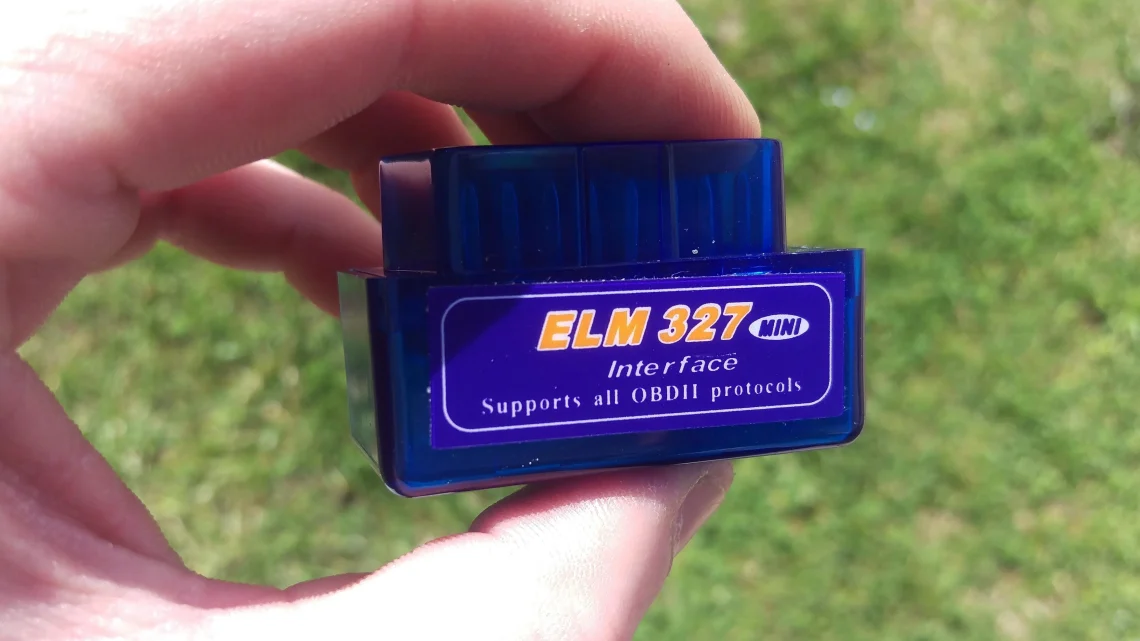
Nearly every car built since 1996 has a secret doorway: the OBD-II (On-Board Diagnostics) port. Usually found under the dash near the steering column, this little connector is your golden ticket. Plugging a simple OBD-II Bluetooth or Wi-Fi dongle into it is the single easiest way to begin.
What does it do? Well, it taps into your car’s internal network, reading data from the engine computer, sensors, and more. Pair it with an app on your phone, and suddenly you’ve got a live dashboard showing fuel economy, engine temperature, potential trouble codes, and even your driving habits. It’s like giving your car a voice.
Popular OBD-II Powered Upgrades:
- Advanced Diagnostics: Go beyond the “Check Engine” light. Get specific code readings and clear them yourself.
- Real-Time Tracking: Add a GPS module for fleet management, teen driver monitoring, or simply finding your car in a massive parking lot.
- Automated Logging: Perfect for mileage tracking for work or taxes. Some devices even automate expense reports.
Transforming the Cabin Experience
This is where the fun really starts—making the space you sit in every day feel contemporary. The good news? Most solutions are designed for plug-and-play simplicity.
The Infotainment Heart Transplant
Replacing an old radio with a modern smart head unit is the single most impactful cabin upgrade. Today’s units offer Apple CarPlay and Android Auto, effectively mirroring your smartphone’s interface onto a touchscreen. You get navigation, music, messaging, and voice commands—all integrated safely. Installation ranges from simple dash kits to more complex wiring, but it’s a very common DIY or professional job.
Ambient Intelligence & Control
Why stop at music? Small, clever IoT modules can now add layers of automation:
- Smart Climate Starters: Plug-in modules that let you start your car and set the AC or heat from your phone, so it’s perfectly tempered when you get in.
- Voice Control Everything: Devices like programmable Bluetooth buttons or voice assistants (think: a portable Alexa Auto) can let you control lights, garage doors, or even home thermostats without touching a thing.
- DIY Ambient Lighting: Smart LED strips powered by USB or hardwired can sync with music, door openings, or just set a mood. It sounds frivolous, but it genuinely changes the feel of an old interior.
Deeper Integration: Tapping into Vehicle Systems
For the more adventurous, IoT integration for older cars can go deeper. This involves connecting modules to a vehicle’s CAN bus network or specific wires. A word of caution here: research is key. You’re interfacing with the car’s vital systems.
| Project Idea | Potential IoT Module | Benefit |
|---|---|---|
| Automatic Window Control | Smart relay controller + rain sensor | Windows close automatically if it rains. |
| Enhanced Security | GPS/GSM tracker with geofencing & battery monitor | Get alerts if car moves or battery drains. Theft recovery. |
| Proactive Maintenance | OBD-II dongle + AI analytics platform | Predicts part failures (e.g., battery, alternator) before they happen. |
The Real-World Considerations: It’s Not All Plug-and-Play
Okay, let’s pump the brakes for a second. This journey has a few speed bumps. Power management is a big one. Many older cars have always-on 12V sockets, which can drain your battery if a device is left plugged in. You might need to wire in switched power or use low-power modes.
Then there’s the clutter. A dongle here, a charger there, cables everywhere… it can get messy fast. Planning for clean wiring and hidden mounting is half the battle for a professional look. And of course, compatibility. Not every gizmo plays nice with every car model from the early 2000s. Forums and product reviews are your best friend.
A Thoughtful Conclusion: The Soul of the Machine
In the end, this isn’t just about adding gadgets. It’s a form of stewardship. It’s about extending the functional life of a machine you care about, reducing waste, and personalizing your environment in a deeply practical way. Each small module you add—the head unit that finally gives you good maps, the sensor that texts you a low tire pressure warning—stitches a new layer of intelligence into the fabric of your old car.
The character remains. The memories, the quirks, the feel of the road. But now, it has a quiet, digital co-pilot. It’s a conversation between analog history and digital convenience, and you get to write the script. One smart upgrade at a time.