

Motorcycle Dashcams and Rider Safety Tech Integration: Your Second Pair of Eyes on Two Wheels
October 12, 2026- Vibration blur: Use rubber mounts or image-stabilized cams. Your footage will thank you.
- Battery drain: Hardwire to your bike’s battery with a voltage cutoff. No dead batteries, no missed rides.
- Storage overload: Get a cam with loop recording and a high-endurance microSD card. 128GB is a sweet spot.
- Install complexity: If wiring scares you, pay a shop. It’s worth it. Trust me on this one.
And here’s a small tip: clean your lens. Sounds obvious, right? But you’d be surprised how many riders record hours of bug-splattered footage and wonder why it looks like a foggy dream.
Where Rider Safety Tech Is Heading Next
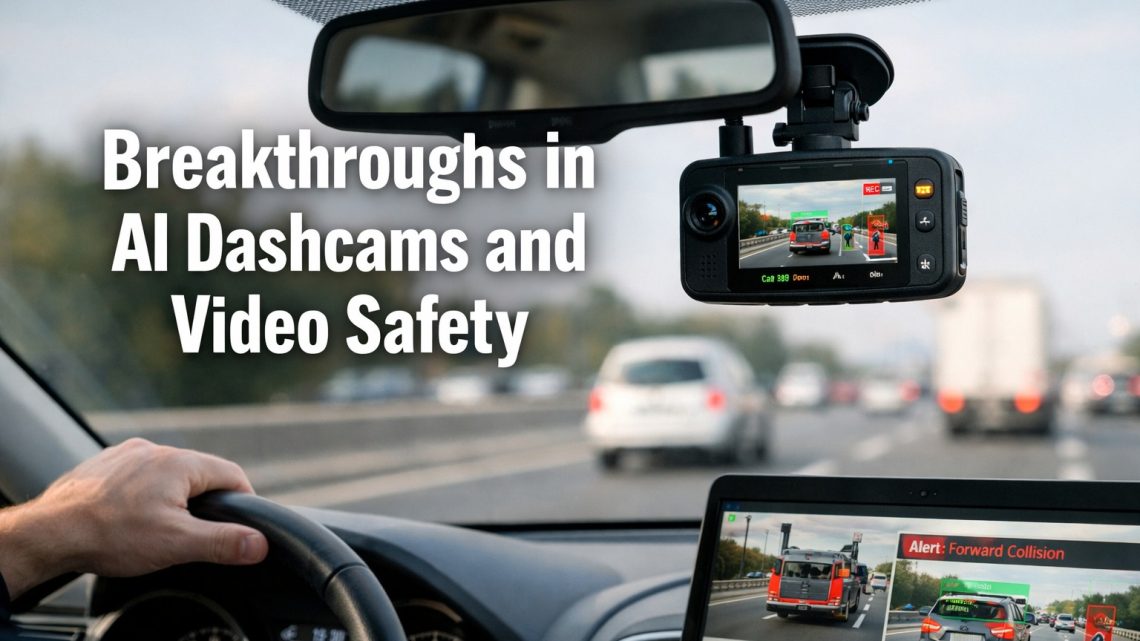
The future isn’t just cameras. It’s cameras that think. AI-powered dashcams can now detect lane departures, recognize pedestrians, and even warn you about potholes. Some prototypes use machine learning to predict collision risks based on traffic flow.
Then there’s the mesh network idea — bikes talking to bikes. If one rider’s dashcam spots gravel in a corner, it broadcasts a warning to riders behind. That’s not mainstream yet, but the building blocks exist.
Honestly? The gap between motorcycle tech and car tech is shrinking fast. And that’s great news for anyone who rides on two wheels.
Final Thoughts: Ride Smart, Ride Recorded
Motorcycle dashcams aren’t about paranoia. They’re about peace of mind. They’re about having a witness when the world isn’t looking. And when you integrate them with crash detection, GPS, and comms, you’re not just recording a ride — you’re building a safety net that moves with you.
So next time you twist the throttle, ask yourself: if something happened right now, would you have proof? Would you have help? Would you have data? If the answer is no, maybe it’s time to let a little tech ride shotgun. Not because you’re afraid. But because you’re smart.
A Quick Note on Privacy and Legal Stuff
Not every state or country loves dashcams. Some have strict rules about recording in public, especially with audio. Germany, for example, has famously tricky dashcam laws. So before you hardwire that dual-channel system, do a quick legal check. It takes five minutes and saves you a headache later.
Common Pain Points (And How to Dodge Them)
Nothing’s perfect. Here’s what riders complain about most — and what you can do about it.
- Vibration blur: Use rubber mounts or image-stabilized cams. Your footage will thank you.
- Battery drain: Hardwire to your bike’s battery with a voltage cutoff. No dead batteries, no missed rides.
- Storage overload: Get a cam with loop recording and a high-endurance microSD card. 128GB is a sweet spot.
- Install complexity: If wiring scares you, pay a shop. It’s worth it. Trust me on this one.
And here’s a small tip: clean your lens. Sounds obvious, right? But you’d be surprised how many riders record hours of bug-splattered footage and wonder why it looks like a foggy dream.
Where Rider Safety Tech Is Heading Next
The future isn’t just cameras. It’s cameras that think. AI-powered dashcams can now detect lane departures, recognize pedestrians, and even warn you about potholes. Some prototypes use machine learning to predict collision risks based on traffic flow.
Then there’s the mesh network idea — bikes talking to bikes. If one rider’s dashcam spots gravel in a corner, it broadcasts a warning to riders behind. That’s not mainstream yet, but the building blocks exist.
Honestly? The gap between motorcycle tech and car tech is shrinking fast. And that’s great news for anyone who rides on two wheels.
Final Thoughts: Ride Smart, Ride Recorded
Motorcycle dashcams aren’t about paranoia. They’re about peace of mind. They’re about having a witness when the world isn’t looking. And when you integrate them with crash detection, GPS, and comms, you’re not just recording a ride — you’re building a safety net that moves with you.
So next time you twist the throttle, ask yourself: if something happened right now, would you have proof? Would you have help? Would you have data? If the answer is no, maybe it’s time to let a little tech ride shotgun. Not because you’re afraid. But because you’re smart.
A Quick Note on Privacy and Legal Stuff
Not every state or country loves dashcams. Some have strict rules about recording in public, especially with audio. Germany, for example, has famously tricky dashcam laws. So before you hardwire that dual-channel system, do a quick legal check. It takes five minutes and saves you a headache later.
Common Pain Points (And How to Dodge Them)
Nothing’s perfect. Here’s what riders complain about most — and what you can do about it.
- Vibration blur: Use rubber mounts or image-stabilized cams. Your footage will thank you.
- Battery drain: Hardwire to your bike’s battery with a voltage cutoff. No dead batteries, no missed rides.
- Storage overload: Get a cam with loop recording and a high-endurance microSD card. 128GB is a sweet spot.
- Install complexity: If wiring scares you, pay a shop. It’s worth it. Trust me on this one.
And here’s a small tip: clean your lens. Sounds obvious, right? But you’d be surprised how many riders record hours of bug-splattered footage and wonder why it looks like a foggy dream.
Where Rider Safety Tech Is Heading Next
The future isn’t just cameras. It’s cameras that think. AI-powered dashcams can now detect lane departures, recognize pedestrians, and even warn you about potholes. Some prototypes use machine learning to predict collision risks based on traffic flow.
Then there’s the mesh network idea — bikes talking to bikes. If one rider’s dashcam spots gravel in a corner, it broadcasts a warning to riders behind. That’s not mainstream yet, but the building blocks exist.
Honestly? The gap between motorcycle tech and car tech is shrinking fast. And that’s great news for anyone who rides on two wheels.
Final Thoughts: Ride Smart, Ride Recorded
Motorcycle dashcams aren’t about paranoia. They’re about peace of mind. They’re about having a witness when the world isn’t looking. And when you integrate them with crash detection, GPS, and comms, you’re not just recording a ride — you’re building a safety net that moves with you.
So next time you twist the throttle, ask yourself: if something happened right now, would you have proof? Would you have help? Would you have data? If the answer is no, maybe it’s time to let a little tech ride shotgun. Not because you’re afraid. But because you’re smart.
There’s a moment every rider knows. You’re cruising down a backroad, the wind is doing its thing, and then — out of nowhere — a car drifts into your lane. You swerve. Your heart rate spikes. And you think, “Did anyone else see that?” Well, with a motorcycle dashcam mounted on your bars, the answer is yes. Always.
Dashcams aren’t just for cars anymore. In fact, the motorcycle dashcam market has quietly exploded over the past few years, and for good reason. Riders are tired of being invisible. They want proof, they want protection, and honestly? They want tech that actually works while wearing gloves and a helmet.
Let’s dive into how dashcams fit into the broader world of rider safety tech — and why integration matters more than just slapping a camera on your helmet.
Why Motorcycle Dashcams Are Having a Moment
Insurance disputes. Hit-and-runs. Road rage incidents. These aren’t fun topics, sure, but they’re real. A motorcycle dashcam gives you a silent witness that never blinks. It captures license plates, lane positions, and the exact moment someone cuts you off.
But here’s the thing — modern dashcams do way more than record. They loop footage, stamp GPS coordinates, and some even detect crashes automatically. That last feature? It’s a game-changer when you’re unconscious on the shoulder and your bike is lying in a ditch.
According to recent rider surveys, over 60% of motorcyclists who commute daily say they’ve considered installing a dashcam. And among touring riders? The number climbs even higher. The demand is there. The tech is catching up.
Types of Motorcycle Dashcams: Pick Your Flavor
Not all dashcams are created equal. You’ve got options, and each comes with trade-offs. Let’s break them down without the jargon overload.
- Helmet-mounted cams: Lightweight, point-of-view footage, easy to move between helmets. Downside? Battery life and wind noise.
- Handlebar-mounted cams: Stable footage, hardwired power, but vibration can blur things if not stabilized.
- Dual-channel systems: Front and rear cameras recording simultaneously. The gold standard for evidence and insurance claims.
- Integrated OEM systems: Built into premium bikes like certain BMW and Ducati models. Clean install, but pricey and brand-specific.
Here’s a quick comparison table to make sense of it all:
| Type | Pros | Cons | Best For |
|---|---|---|---|
| Helmet-mounted | POV footage, portable | Battery, wind noise | Vloggers, daily commuters |
| Handlebar-mounted | Stable, hardwired | Vibration blur | Tourers, long rides |
| Dual-channel | Full coverage, evidence-ready | Install complexity | Insurance protection |
| OEM integrated | Clean look, seamless | Expensive, limited models | Premium bike owners |
Integration Is Where Things Get Interesting
A dashcam alone is useful. But when it talks to your other gear? That’s when rider safety tech becomes a system, not just a gadget. Think of it like a motorcycle nervous system — cameras are the eyes, sensors are the reflexes, and your phone or display is the brain.
Modern integration looks like this:
- Crash detection + emergency alerts: The dashcam senses a sudden impact and pings your emergency contacts with GPS coordinates.
- Blind-spot monitoring sync: Radar sensors feed data to your dashcam display, flashing a warning when a car lurks in your blind spot.
- GPS + ride logging: Every ride gets mapped, timed, and stored. Great for trip reviews or proving you weren’t speeding.
- Smartphone app control: Adjust settings, download clips, or livestream directly from your handlebars.
And yes, some systems now pair with helmet comms like Cardo or Sena. So you’ll hear a voice alert: “Vehicle approaching from rear.” That’s not sci-fi. That’s 2024.
The Real-World Benefits (Beyond Just Evidence)
Sure, dashcams help after an accident. But their day-to-day value is underrated. Let me explain.
When you know you’re recording, you ride differently. Not paranoid — just more aware. It’s like having a driving instructor in the back of your mind. That subtle psychological nudge can reduce risky passes and late braking. In fact, some insurance companies now offer discounts for riders with dashcams installed. Yes, really.
Then there’s the training angle. Reviewing your own footage shows you things you missed — your line through a corner, your following distance, that one time you almost clipped a mirror. It’s humbling. And helpful.
A Quick Note on Privacy and Legal Stuff
Not every state or country loves dashcams. Some have strict rules about recording in public, especially with audio. Germany, for example, has famously tricky dashcam laws. So before you hardwire that dual-channel system, do a quick legal check. It takes five minutes and saves you a headache later.
Common Pain Points (And How to Dodge Them)
Nothing’s perfect. Here’s what riders complain about most — and what you can do about it.
- Vibration blur: Use rubber mounts or image-stabilized cams. Your footage will thank you.
- Battery drain: Hardwire to your bike’s battery with a voltage cutoff. No dead batteries, no missed rides.
- Storage overload: Get a cam with loop recording and a high-endurance microSD card. 128GB is a sweet spot.
- Install complexity: If wiring scares you, pay a shop. It’s worth it. Trust me on this one.
And here’s a small tip: clean your lens. Sounds obvious, right? But you’d be surprised how many riders record hours of bug-splattered footage and wonder why it looks like a foggy dream.
Where Rider Safety Tech Is Heading Next
The future isn’t just cameras. It’s cameras that think. AI-powered dashcams can now detect lane departures, recognize pedestrians, and even warn you about potholes. Some prototypes use machine learning to predict collision risks based on traffic flow.
Then there’s the mesh network idea — bikes talking to bikes. If one rider’s dashcam spots gravel in a corner, it broadcasts a warning to riders behind. That’s not mainstream yet, but the building blocks exist.
Honestly? The gap between motorcycle tech and car tech is shrinking fast. And that’s great news for anyone who rides on two wheels.
Final Thoughts: Ride Smart, Ride Recorded
Motorcycle dashcams aren’t about paranoia. They’re about peace of mind. They’re about having a witness when the world isn’t looking. And when you integrate them with crash detection, GPS, and comms, you’re not just recording a ride — you’re building a safety net that moves with you.
So next time you twist the throttle, ask yourself: if something happened right now, would you have proof? Would you have help? Would you have data? If the answer is no, maybe it’s time to let a little tech ride shotgun. Not because you’re afraid. But because you’re smart.