

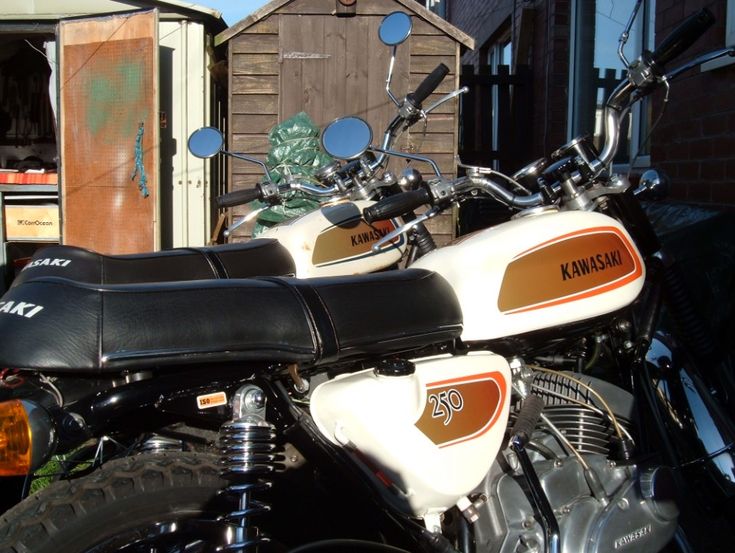
Restoring Vintage Japanese Motorcycles on a Budget: A Realistic Guide
October 12, 2026There’s something almost magical about an old Honda CB, a weathered Yamaha RD, or a barn-fresh Kawasaki sitting under a tarp. You can practically hear the ghost of a two-stroke engine ringing in your ears. But here’s the deal — restoring vintage Japanese motorcycles isn’t just a hobby. It’s a test of patience, resourcefulness, and, well… your bank account.
The good news? You don’t need deep pockets to bring one of these machines back to life. You just need a plan, a bit of grit, and the willingness to get your knuckles scraped up. Let’s dive in.
Why Vintage Japanese Bikes Are Worth Saving
Japanese motorcycles from the 1960s through the 1980s changed everything. They were lighter, faster, and honestly more reliable than a lot of what came out of Britain and Italy at the time. Models like the Honda CB750, the Yamaha XS650, and the Suzuki GT750 earned legendary status for good reason.
And right now, there’s a real resurgence of interest in these machines. Cafe racer builds, scrambler conversions, and “resto-mod” projects are everywhere on Instagram and YouTube. That popularity is a double-edged sword, though — prices for clean examples have climbed. Which is exactly why budget restoration matters more than ever.
Start With the Right Project Bike
This is where most people mess up. They buy the cheapest wreck they can find, then spend three times what a decent runner would’ve cost. Don’t be that person.
What to Look For
- Complete bikes — missing parts are the silent budget killer. A $300 project with no carbs, no seat, and no exhaust isn’t a bargain.
- Good title and paperwork — trust me, chasing a title later is a nightmare.
- Solid frame and engine cases — cosmetic rust is fine. Cracked cases or a bent frame? Walk away.
- Popular models — parts availability is everything. A CB350 is way easier to restore than some obscure 1972 Bridgestone.
Sure, that rare model might feel special. But when you’re on a budget, common bikes are your friend. The aftermarket supports them, forums are packed with info, and used parts pop up constantly on eBay and Facebook Marketplace.
Set a Realistic Budget (Then Add 30%)
Every experienced restorer will tell you the same thing: whatever you think it’ll cost, add at least a third. Vintage bikes hide surprises — seized pistons, rusted tanks, chewed-up wiring harnesses.
| Category | Budget Range | Notes |
|---|---|---|
| Project bike | $200–$800 | Non-running but complete |
| Engine work | $150–$600 | Gaskets, seals, maybe a rebore |
| Tires & brakes | $150–$350 | Never skimp here |
| Electrical | $50–$200 | Battery, wiring, lights |
| Cosmetics | $100–$500 | Paint, chrome, seat |
That’s a rough sketch, obviously. A full-blown concours restoration will blow way past these numbers. But a solid, rideable budget build? Totally doable.
Prioritize Mechanicals Over Looks
Shiny paint is nice. Stopping and steering? Non-negotiable. The first money you spend should go toward making the bike safe and reliable.
The Order of Operations
- Compression test and engine inspection
- Fuel system — clean the tank, rebuild the carbs
- Brakes — new pads, fresh fluid, check the lines
- Tires and bearings
- Electrical — new battery, test the charging system
- Then, and only then, cosmetics
I know, I know — you want it to look pretty. But a gorgeous bike that won’t start is just lawn art.
Where to Save Money Without Cutting Corners
Here’s where being smart pays off. You can absolutely restore a vintage Japanese motorcycle on a tight budget if you know where to look and what to skip.
Smart Savings Tips
- Buy used OEM parts from forums, swap meets, and eBay. Original parts often fit better than cheap reproductions.
- Learn to rebuild instead of replace. Carbs, master cylinders, and starters are all rebuildable.
- Do your own paint. Rattle cans and patience can produce surprisingly good results.
- Skip the “correct” bolts. Unless you’re going for show-quality, stainless hardware from a local shop works fine.
- Join owner communities. Forums like SOHC4 or the Yamaha XS650 forums are goldmines of free advice.
And honestly? YouTube is your free mechanic. Channels dedicated to vintage Japanese bike restoration have saved countless hobbyists from expensive mistakes.
Tools You Actually Need
You don’t need a Snap-on truck to show up in your driveway. A basic metric socket set, torque wrench, impact driver, feeler gauges, and a decent multimeter will cover most jobs. Add a carb sync tool eventually — worth every penny.
Oh, and a good penetrating oil. Lots of it. Vintage fasteners have a way of welding themselves together over four decades.
The Emotional Payoff
Restoring a vintage Japanese motorcycle on a budget isn’t about perfection. It’s about resurrection. It’s about hearing an engine fire up for the first time in twenty years and feeling like you just performed a miracle in your garage.
You’ll make mistakes. You’ll curse a lot. You’ll probably bleed on the shop floor at least once. But when you twist the throttle and that old machine roars back to life, every dollar and every skinned knuckle will feel worth it.
So find that forgotten bike in the back of someone’s shed. Bring it home. Take your time. And remember — the best restoration is the one you actually finish and ride.