
Aftermarket Driver Assistance Retrofits for Older Cars: Giving Your Trusty Ride a High-Tech Upgrade
August 17, 2026Let’s be honest—your 2012 sedan has been a loyal companion. It’s survived road trips, commutes, and that one questionable parking lot incident. But lately, you’ve been eyeing newer models with their fancy sensors and semi-autonomous features. The catch? A new car payment sounds about as fun as a root canal.
Here’s the deal: you don’t need a new car to get modern safety tech. The aftermarket world has exploded with driver assistance retrofits that can bring your older vehicle into the 21st century. We’re talking blind-spot monitoring, forward collision warnings, even adaptive cruise control—all without trading in your trusted ride.
Why Bother Retrofitting an Older Car?
Well, first off, the cost. A brand-new vehicle with these features easily runs $35,000 or more. Retrofitting? You’re looking at anywhere from $200 for a simple plug-and-play device to $2,500 for a fully integrated system with professional installation. That’s a fraction of the price, and honestly, it’s kind of a no-brainer if your car is mechanically sound.
Then there’s the environmental angle. Keeping an older car on the road reduces manufacturing demand and keeps a perfectly good chassis out of the junkyard. Plus, there’s the sentimental factor—maybe it was your first car, or the one you brought your kid home from the hospital in. Upgrading it feels like giving an old friend new glasses.
The Big Three: What Actually Works as a Retrofit
Not all driver assistance tech is retrofit-friendly. Some systems are deeply integrated into the car’s CAN bus network, making them nearly impossible to add later. But three major categories have matured beautifully in the aftermarket space. Let’s break them down.
1. Blind-Spot Monitoring (BSM) Systems
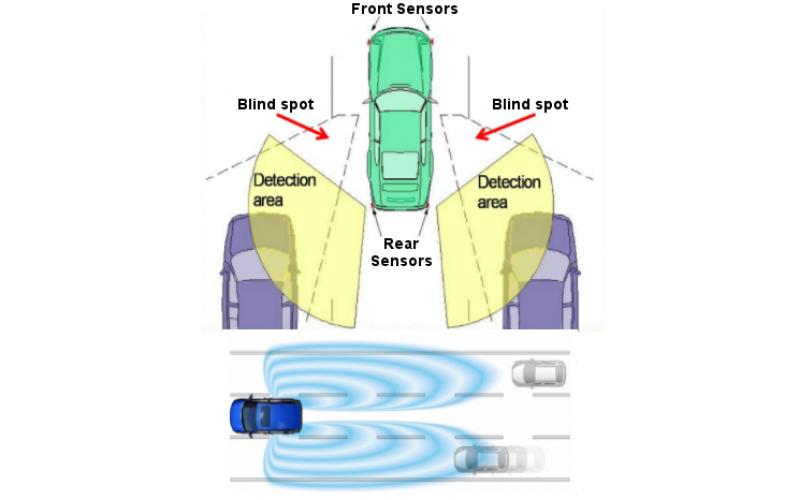
This is probably the most popular retrofit, and for good reason. Blind spots are a genuine hazard, especially on highways. Aftermarket BSM kits use small radar sensors that mount behind your rear bumper cover. They detect vehicles in adjacent lanes and alert you via LED indicators in your side mirrors or small warning lights mounted on the A-pillars.
Installation varies. Some kits are DIY-friendly, with adhesive sensors and wireless indicators. Others require a bit of wiring know-how. I’ve seen kits priced between $150 and $600. The best ones integrate with your existing mirror glass, but even the clip-on versions work surprisingly well.
Key takeaway: Look for kits with adjustable sensitivity. You don’t want it beeping every time a bicycle passes you on the right.
2. Forward Collision Warning (FCW) and Dash Cams with ADAS
Here’s where things get interesting. You can buy standalone radar-based FCW systems that mount on your dashboard or windshield. They project a warning light onto the glass and sound an audible alert if you’re approaching an obstacle too quickly. Some even include a small heads-up display.
But honestly, the smartest move in 2024 is combining FCW with a dash cam. Brands like Viofo and Thinkware now offer dash cams with built-in ADAS algorithms. They use the camera’s feed to detect lane departures, forward collisions, and even pedestrian movement. The accuracy isn’t as good as a factory radar system, but it’s surprisingly decent for the price—usually under $300.
One caveat: these camera-based systems can be fooled by heavy rain or direct sunlight. They’re a safety aid, not a replacement for attentive driving. Still, having that extra pair of eyes—well, it’s better than nothing.
3. Adaptive Cruise Control (ACC) – The Hard One
Now, this is the holy grail. True adaptive cruise control that maintains a set distance from the car ahead? That’s tough. Most aftermarket ACC systems are actually “retrofit kits” designed for specific car models, not universal solutions. For instance, you can find kits for certain Toyota Camrys or Honda Accords that use OEM radar modules from junkyards or eBay.
This isn’t a weekend project. It requires CAN bus integration, custom mounting brackets, and sometimes reprogramming your ECU. Expect to pay $1,500 to $3,000 including labor. Unless you’re a serious DIYer with electrical engineering chops, I’d recommend leaving this one to the pros.
There’s also a middle ground: radar-based “distance warning” systems that alert you when you’re tailgating, but they don’t actually control your speed. That’s a safer bet for most people.
What About Lane Keeping Assist and Auto Emergency Braking?
Honestly, skip them. Lane keeping assist requires precise steering torque control that aftermarket motors just can’t replicate safely. And auto emergency braking? The liability is enormous. If a retrofit system fails and causes a crash, you’re on the hook. Insurance companies might even deny claims if they find out you installed non-certified braking hardware.
Stick to warning systems. They inform you, but they don’t take over. That’s the sweet spot for retrofits.
Installation: DIY or Professional?
Here’s a quick breakdown to help you decide:
| Feature | DIY Feasibility | Time Needed | Tools Required |
|---|---|---|---|
| Blind-spot monitors (wireless) | High | 1-2 hours | Screwdriver, trim tool |
| Dash cam with ADAS | Very High | 30 minutes | None (plug-in) |
| Radar FCW (windshield mount) | Moderate | 1 hour | Adhesive, wire tap |
| Integrated BSM (bumper sensors) | Low-Moderate | 3-4 hours | Drill, wiring harness |
| Adaptive cruise control | Very Low | 2-3 days | CAN bus tools, oscilloscope |
If you’re handy with a multimeter and don’t mind removing a few trim panels, you can handle the simpler stuff. But for anything that involves tapping into your car’s computer network, pay a professional. A botched wiring job can fry your ECU, and that’s a repair bill you don’t want.
Legal and Insurance Considerations
This is the part nobody talks about, but you need to hear it. Aftermarket ADAS devices are largely unregulated. The NHTSA doesn’t test them for safety compliance. That means the onus is on you to ensure the system works correctly.
Insurance-wise, most policies won’t penalize you for adding safety features. In fact, some insurers offer small discounts for vehicles with ADAS, even aftermarket ones. But call your agent first. Ask if they recognize retrofits. And whatever you do, keep your receipts and installation documentation. If you ever file a claim, you’ll want proof that the system was professionally installed and not a DIY hack job.
Real-World Performance: What to Expect
Let’s set realistic expectations. An aftermarket blind-spot monitor won’t be as seamless as a factory one. The sensors might occasionally false-alarm in heavy rain or when passing guardrails. The dash cam’s lane departure warning might beep a bit too eagerly on winding roads.
But here’s the thing—even with their quirks, these systems genuinely reduce stress. I’ve driven a 2009 Mazda3 with a $250 BSM kit, and honestly, it changed my merging confidence. The warnings are subtle, but they’re there. That’s the point. It’s not about perfect automation; it’s about an extra layer of awareness.
One tip: test your system in a parking lot first. Get a friend to walk around your car and see if the sensors pick them up. Calibration is key. Most kits have a sensitivity dial, so tweak it until it feels right.
Future-Proofing Your Retrofit
The aftermarket ADAS space is moving fast. In 2024, we’re seeing more integration with smartphone apps. Some dash cams now share data with your phone to provide real-time alerts. There are even rumors of retrofit kits that use AI to learn your driving patterns. That’s a bit sci-fi, but the direction is clear: modular, upgradeable safety tech is the future.
When you buy, choose a brand that offers firmware updates. That way, your $200 investment doesn’t become obsolete in two years. Brands like Mobileye (for high-end retrofits) and Wolfbox (for budget dash cams) are leading the charge.
The Bottom Line on Retrofits
Retrofitting driver assistance tech into an older car isn’t just a money-saving hack. It’s a statement that safety shouldn’t be a luxury reserved for new car buyers. Sure, the systems have limitations. They’re not perfect. But neither are we as drivers. And that’s precisely why having a few extra electronic eyes on the road is worth it.
Start small. Pick one feature that addresses your biggest pain point—maybe it’s blind spots on your highway commute. Install it, live with it for a month, and see how it feels. You might find that your old car suddenly feels… well, new again. And that’s a pretty good feeling for a few hundred bucks.
As the technology matures and prices drop, retrofitting will only become more accessible. For now, the options are solid, the installation is manageable, and the peace of mind is real. Your car has gotten you this far. It deserves a little upgrade.
After all, safety isn’t about the age of your vehicle—it’s about the awareness you bring to the road, augmented by the tools you choose to carry.