

Retrofit and Restomod Culture for Classic Cars Going Electric
October 5, 2026- Remove the engine, fuel tank, exhaust, and radiator. Keep them — future buyers might want them.
- Install the electric motor and adapter plate. The adapter mates the motor to the original transmission or a new single-speed gearbox.
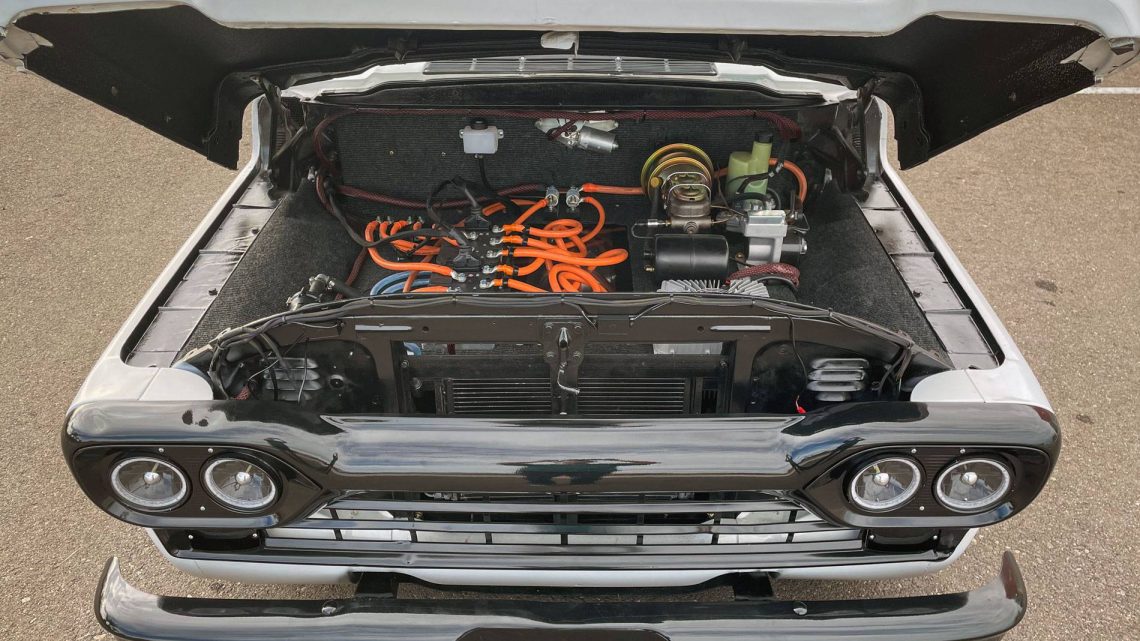
- Mount battery boxes. Often under the hood, in the trunk, or where the fuel tank was. Weight distribution matters — you want a 50/50 balance if possible.
- Wire the high-voltage system. This is not a DIY job for beginners. One wrong move and you’re a crispy critter.
- Upgrade brakes and suspension. More torque means you need better stopping power. Disc brakes and coilovers are common.
- Integrate the controls. You’ll need a throttle controller, a battery management system, and a way to talk to the original gauges (or replace them).
Honestly, the hardest part isn’t the hardware — it’s the software. Getting the motor controller to play nice with the original dashboard can feel like teaching a cat to fetch. But when it works? Pure magic.
The Future: Will Electric Restomods Become the Norm?
I think so. Not for every car — a numbers-matching Hemi ‘Cuda should probably stay original. But for the millions of everyday classics (think MGBs, Ford Falcons, VW buses), electric conversion is a lifeline. It keeps them on the road, out of landfills, and relevant to a generation that’s never smelled a choke.
And the tech is only getting better. Solid-state batteries will cut weight. Wireless charging might eliminate plugs. Retrofit kits are becoming plug-and-play. In five years, dropping an electric motor into a classic might be as common as swapping a carburetor for fuel injection was in the ‘90s.
So, is an electric restomod a betrayal or a rebirth? That depends on who you ask. But here’s a thought: the best way to preserve a classic car isn’t to freeze it in amber. It’s to keep it driving. And if electrons do that better than gasoline… well, maybe the soul isn’t in the fuel. Maybe it’s in the motion.
There’s a certain magic to a classic car. The smell of old leather, the rumble of a V8, the way a 1969 Mustang catches the light. But let’s be honest — that same beauty often comes with a carburetor that hates cold mornings and an exhaust note that makes your neighbors glare. Enter the electric retrofit and restomod movement. It’s not just a trend; it’s a full-blown cultural shift, and it’s rewriting the rules of classic car ownership.
So, what exactly is a restomod? Traditionally, it meant restoring a classic car but modernizing the drivetrain, suspension, and brakes. Now, “electric restomod” takes that idea and swaps the gas tank for a battery pack. A retrofit, on the other hand, is more of a surgical procedure — you keep the original engine in storage and drop in an electric motor and batteries. Both approaches are booming, and honestly, the lines between them blur depending on who you ask.
Why Are People Electrifying Their Classics?
Well, there are a few very human reasons. First, reliability. A 50-year-old wiring harness is a fire hazard waiting to happen. An electric motor has one moving part — no oil changes, no spark plugs, no carburetor tuning. Second, performance. Instant torque turns a vintage Beetle into a silent stoplight assassin. Third, and this is the big one: emissions regulations. In many cities, driving a classic with a dirty engine is becoming a paperwork nightmare. Electric conversions sidestep that entirely.
And then there’s the emotional angle. Sure, some purists clutch their pearls at the thought of a battery-powered Corvette. But for many owners, the choice is between letting the car rot in a garage or actually driving it. As one restomod builder told me, “I’d rather hear a whine than silence — because silence means it’s sitting still.”
The Two Main Paths: Crate Motors vs. Custom Builds
If you’re thinking about going electric with a classic, you’ve got options. Let’s break them down.
- Turnkey crate systems: Companies like Electric GT, EV West, and NetGain Motors sell complete kits. You get a motor, controller, battery pack, and wiring harness. It’s like IKEA for EV conversions — except the instructions are actually good.
- Custom builds: This is where restomod shops shine. They’ll mate a Tesla drive unit to a vintage chassis, fabricate battery boxes, and integrate regenerative braking. It’s expensive, sure, but the result is a one-of-a-kind machine.
- Hybrid approach: Some builders keep the original engine but add a small electric motor for low-speed cruising. It’s a compromise, but hey — it keeps the V8 rumble for weekend drives.
Here’s the deal: a basic DIY retrofit can cost $15,000 to $30,000. A full restomod with a Tesla motor and a 60 kWh battery? Easily $80,000 to $150,000. That’s not pocket change. But consider this — a rebuilt original engine plus a modern fuel injection system can run $20,000, and you still burn gas.
The Culture Clash: Purists vs. Progressives
Oh, the drama. Classic car forums light up like a Christmas tree whenever someone posts an electric conversion. “You ruined it!” “That’s not a real Mustang!” “Where’s the soul?” And you know what? Those feelings are valid. A classic car’s identity is tied to its engine note, its vibration, its smell. Removing that is like replacing a vinyl record with a Spotify playlist — convenient, but something’s lost.
But here’s the counterpoint: the next generation doesn’t care about carburetors. They care about climate change and clean air. In fact, a 2023 survey by Hagerty found that over 40% of younger enthusiasts are open to electric conversions. That’s not a fringe group; that’s the future. And let’s not forget — many classic cars were modified in their own time. Hot rods, lead sleds, engine swaps… the culture has always evolved.
What About the Law and Insurance?
Ah, the boring but crucial part. Depending on where you live, an electric retrofit might require a re-inspection, a new VIN, or a special permit. California, for example, has a relatively smooth process for EV conversions, but other states are… let’s say, less informed. Insurance can also be tricky. Agreed-value policies may not cover a custom electric drivetrain unless you document every component.
My advice? Talk to a specialist insurer like Hagerty or Grundy before you start cutting metal. And keep a folder with photos, receipts, and wiring diagrams. You’ll thank yourself later.
Real-World Examples That Turn Heads
Let’s get concrete. Here are a few builds that prove electric restomods aren’t just science experiments.
| Vehicle | Builder | Electric Setup | Range |
|---|---|---|---|
| 1968 Ford Mustang | Charge Cars | Dual motors, 63 kWh | ~200 miles |
| 1972 Datsun 240Z | EV West | Tesla Model S motor | ~150 miles |
| 1961 Jaguar E-Type | Lunaz | Custom 80 kWh | ~250 miles |
| 1957 Chevrolet Bel Air | Icon 4×4 | Derived from Tesla | ~180 miles |
Notice something? These aren’t economy cars. They’re icons. And each one now drives smoother, quieter, and — dare I say — more enjoyably than the original. Sure, you lose the rumble. But you gain the ability to drive cross-country without smelling like gasoline.
The Nuts and Bolts: What Actually Changes?
If you’re mechanically curious, here’s a quick rundown of a typical retrofit:
- Remove the engine, fuel tank, exhaust, and radiator. Keep them — future buyers might want them.
- Install the electric motor and adapter plate. The adapter mates the motor to the original transmission or a new single-speed gearbox.
- Mount battery boxes. Often under the hood, in the trunk, or where the fuel tank was. Weight distribution matters — you want a 50/50 balance if possible.
- Wire the high-voltage system. This is not a DIY job for beginners. One wrong move and you’re a crispy critter.
- Upgrade brakes and suspension. More torque means you need better stopping power. Disc brakes and coilovers are common.
- Integrate the controls. You’ll need a throttle controller, a battery management system, and a way to talk to the original gauges (or replace them).
Honestly, the hardest part isn’t the hardware — it’s the software. Getting the motor controller to play nice with the original dashboard can feel like teaching a cat to fetch. But when it works? Pure magic.
The Future: Will Electric Restomods Become the Norm?
I think so. Not for every car — a numbers-matching Hemi ‘Cuda should probably stay original. But for the millions of everyday classics (think MGBs, Ford Falcons, VW buses), electric conversion is a lifeline. It keeps them on the road, out of landfills, and relevant to a generation that’s never smelled a choke.
And the tech is only getting better. Solid-state batteries will cut weight. Wireless charging might eliminate plugs. Retrofit kits are becoming plug-and-play. In five years, dropping an electric motor into a classic might be as common as swapping a carburetor for fuel injection was in the ‘90s.
So, is an electric restomod a betrayal or a rebirth? That depends on who you ask. But here’s a thought: the best way to preserve a classic car isn’t to freeze it in amber. It’s to keep it driving. And if electrons do that better than gasoline… well, maybe the soul isn’t in the fuel. Maybe it’s in the motion.