

EV Battery Recycling and Second-Life Applications: The Circular Revolution Nobody’s Talking About
June 29, 2026So, here’s the thing about electric vehicles — they’re amazing, right? Silent, zippy, and they don’t guzzle gas. But what happens when that massive battery pack under the floor starts to fade? I mean, after 8 to 10 years, it’s not dead… just tired. And that’s where the magic starts. We’re talking about EV battery recycling and second-life applications — two sides of the same coin that could reshape how we think about waste, energy, and even your home’s power bill.
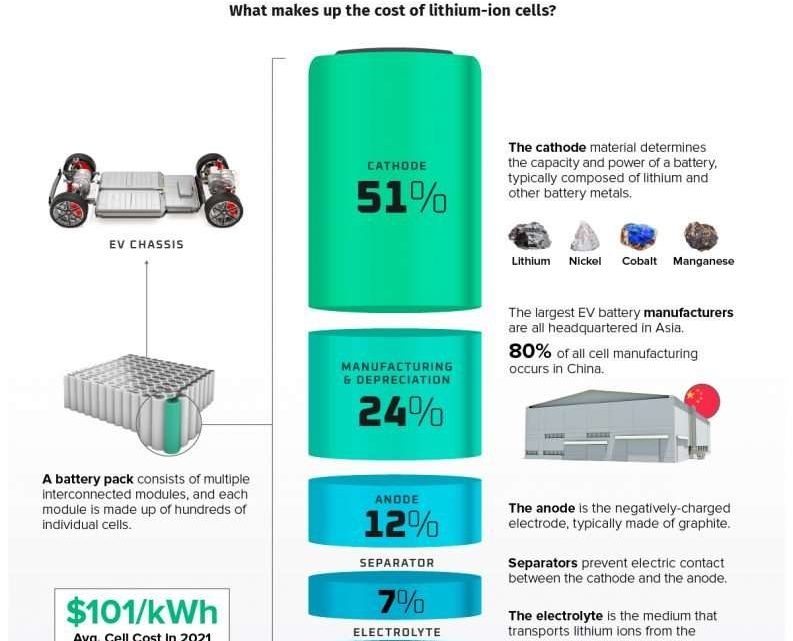
Let’s be real for a second. The lithium-ion battery inside your EV is a beast. It’s packed with cobalt, nickel, lithium, and graphite — materials that are expensive, ethically tricky to mine, and frankly, too precious to toss in a landfill. But here’s the kicker: even after an EV battery drops to 70-80% capacity, it still holds a ton of energy. Enough to power a house for days. So, why are we not using it?
What Exactly Is a Second-Life Battery?
Picture this: you’ve got a battery that’s no longer fit for a car — maybe the range dropped from 300 miles to 180. For a driver, that’s annoying. But for a stationary storage system? It’s gold. Second-life applications take these retired packs and repurpose them for less demanding jobs. Think backup power for data centers, solar energy storage, or even charging stations in remote areas.
Honestly, it’s like giving a retired racehorse a second career as a gentle trail guide. Same heart, different job.
Real-World Examples (Because Theory Is Boring)
Companies like Nissan and Renault are already doing this. Renault’s “Advanced Battery Storage” project uses used EV batteries to store energy from wind farms. In the UK, a company called Connected Energy stacks retired batteries into massive containers — they call them “E-STOR” units — to help businesses cut peak demand charges. And in California, some utilities are testing second-life batteries to stabilize the grid during wildfire season. It’s happening, slowly but surely.
But — and this is a big but — second-life isn’t a forever fix. Batteries degrade. Eventually, even the gentlest application won’t work. That’s where recycling steps in.
The Nitty-Gritty of EV Battery Recycling
Recycling a lithium-ion battery isn’t like tossing a soda can into a bin. It’s messy. There’s fire risk, toxic electrolytes, and a whole lot of chemistry. But the payoff? Massive. Currently, only about 5% of lithium-ion batteries are recycled globally. That’s pathetic, honestly. But the industry is scrambling to change that.
There are three main methods, and they’re all kinda wild:
- Pyrometallurgy — You basically melt the whole battery down. It’s energy-hungry, but it recovers cobalt and nickel. Lithium? Not so much. It ends up in slag, used for concrete or road filler. Not ideal.
- Hydrometallurgy — Think of it as a chemical bath. You shred the battery, then use acids to leach out metals. It’s more precise — you can recover lithium, cobalt, and nickel with high purity. But it uses a lot of water and chemicals.
- Direct recycling — The holy grail. You carefully take the battery apart and reuse the cathode material directly. No melting, no chemical soup. It’s cheaper and greener, but it’s still in the lab phase. Companies like Redwood Materials (started by a Tesla co-founder) are pushing hard on this.
Here’s a quick comparison — because tables make everything clearer, right?
| Method | Recovery Rate | Energy Use | Best For |
|---|---|---|---|
| Pyrometallurgy | ~50% (cobalt, nickel) | High | Bulk processing |
| Hydrometallurgy | ~90%+ (most metals) | Medium | High-purity recovery |
| Direct Recycling | ~95%+ (cathode) | Low | Future scalability |
Why Should You Care? (Spoiler: It’s About Money and the Planet)
Well, for starters, mining lithium and cobalt is a dirty business. It guzzles water, pollutes rivers, and sometimes involves child labor. Recycling cuts that demand. Plus, the cost of raw materials is volatile — a recycled battery is a hedge against price spikes. And honestly, governments are starting to mandate it. The EU’s new Battery Regulation, for example, requires that by 2031, new batteries must contain at least 16% recycled cobalt, 85% recycled lead, and 6% recycled lithium. That’s a big deal.
But here’s the part that gets me — the economics. A recycled ton of lithium-ion battery material can be worth upwards of $5,000. Multiply that by millions of tons of retired batteries expected by 2030, and you’re looking at a multi-billion-dollar industry. Sure, the recycling process isn’t cheap yet, but scale will fix that. It always does.
The Pain Points (Let’s Not Sugarcoat It)
Look, I’d love to tell you everything is rosy. It’s not. Second-life batteries face a big hurdle: certification. How do you know a used battery is safe to stick in your garage? There’s no standard test. And recycling? The logistics are a nightmare. Batteries are heavy, hazardous, and expensive to transport. Plus, the chemistry is always changing — one year it’s NMC (nickel-manganese-cobalt), the next it’s LFP (lithium iron phosphate). Recyclers have to adapt constantly.
And then there’s the fire risk. Lithium-ion batteries can go into thermal runaway if damaged. That’s why you see those viral videos of e-bike batteries exploding. Now imagine a warehouse full of them. Scary stuff.
Second-Life vs. Recycling: Which Wins?
That’s the wrong question, honestly. They’re not competitors — they’re partners. A battery should ideally go: EV use → second-life storage → recycling. That’s the circular economy dream. But timing matters. A battery that’s only 70% capacity might still have 5-10 years of second-life use. After that, it’s recycling time. Some experts argue we should skip second-life altogether and just recycle immediately — because recycling tech is improving fast, and second-life adds complexity. But others say the environmental benefit of reusing a battery (even for a few years) outweighs the hassle.
Me? I think it depends on the battery. A well-maintained Nissan Leaf pack? Perfect for home solar storage. A beat-up Tesla pack from a taxi fleet? Probably better off recycled. It’s not one-size-fits-all.
What’s Coming Next? Trends to Watch
Okay, let’s talk future. Because this space is moving fast — like, Elon-Musk-twitter-fast.
- AI in sorting: Robots with machine learning are being trained to identify battery chemistries and disassemble packs safely. Less human error, fewer fires.
- Blockchain for traceability: Imagine scanning a QR code on a battery and seeing its entire life — from mine to car to second-life to recycler. That’s coming.
- Solid-state batteries: They’re not here yet, but when they arrive, recycling will need a total rethink. No liquid electrolyte means new processes.
- Localized micro-recycling: Small, portable recycling units that can process batteries on-site — cutting transport costs and risks. Startups like Li-Cycle are already doing this.
And here’s a trend that’s kinda cool: some carmakers are designing batteries specifically for easy disassembly. The Ford F-150 Lightning’s battery pack, for instance, is built with modular sections. Swap out a bad module, not the whole pack. That’s a step toward repairability — and recyclability.
So, What’s the Hold Up?
Honestly? It’s a chicken-and-egg problem. We don’t have enough retired batteries yet to build massive recycling plants, but without those plants, recycling is too expensive to scale. And second-life applications need regulatory clarity — who’s liable if a used battery fails? The carmaker? The installer? The homeowner? Until that’s sorted, big players are cautious.
But the momentum is real. In 2023, the global battery recycling market was worth about $2 billion. By 2030, it’s projected to hit $18 billion. That’s not a niche — that’s a movement.
Wrapping It Up (Without the Fluff)
EV batteries aren’t trash. They’re a resource — one we’ve barely started to tap. Whether it’s giving a tired pack a second life in a solar farm or breaking it down to feed new batteries, the potential is staggering. Sure, there are hurdles: cost, safety, regulation. But every industry has growing pains. The question isn’t whether we’ll solve this — it’s how fast.
The next time you see an EV, think about its battery. Not just as a power source, but as a future home battery, a grid stabilizer, or a pile of metals waiting for rebirth. That’s the circular revolution. And honestly? It’s about time.