

Eco-friendly car maintenance tips: Drive greener, save more
May 25, 2026Let’s be real — cars and the environment aren’t exactly best friends. But that doesn’t mean you have to ditch your ride or feel guilty every time you turn the key. In fact, there are plenty of ways to keep your car running smoothly while reducing your carbon footprint. Eco-friendly car maintenance isn’t just about saving the planet; it’s about saving your wallet too. Think of it as a win-win, where every little tweak adds up. Here’s the deal: small changes in how you maintain your vehicle can lead to big differences — less pollution, better fuel economy, and a longer life for your car. Ready to roll? Let’s dive into some practical, planet-friendly tips.
Why eco-friendly car maintenance matters (beyond the obvious)
You’ve probably heard the stats: transportation is a major source of greenhouse gases. But here’s the thing — a well-maintained car can emit up to 25% less CO2 than a neglected one. That’s not just a number; it’s real air quality improvement in your neighborhood. Plus, regular eco-friendly upkeep means fewer trips to the mechanic and less waste from premature part replacements. Honestly, it’s about shifting from a “fix it when it breaks” mindset to a “keep it humming” philosophy. Your car, your wallet, and the planet all thank you.
Start with the basics: Tire pressure and alignment
Here’s a simple fact: under-inflated tires are like dragging a anchor. They create more rolling resistance, which means your engine works harder and burns more fuel. In fact, keeping your tires properly inflated can improve gas mileage by up to 3%. That might sound small, but over a year? It adds up to gallons of gas saved and fewer emissions.
Quick tire check routine
- Check tire pressure monthly — use a reliable gauge, not just a glance.
- Inflate to the manufacturer’s recommended PSI (found on the driver’s door jamb or manual).
- Don’t forget the spare! It’s often overlooked.
- Get your alignment checked every 6,000 miles or if you notice uneven wear.
Proper alignment also reduces drag and extends tire life. That means fewer tires end up in landfills. See? Small habits, big ripple effects.
Oil changes: The eco-friendly way
Oil changes are a classic maintenance task, but not all oil is created equal. Conventional oil works fine, but synthetic oil lasts longer and performs better under extreme temperatures. That means fewer oil changes and less waste. Plus, synthetic oil can improve fuel efficiency by 1-2% — not huge, but every bit helps.
What to look for in eco-friendly oil
- API “SN” or “SP” certification — ensures lower emissions.
- Re-refined oil — it’s like recycling, but for oil. It meets the same standards as virgin oil.
- Proper disposal — never pour old oil down the drain. Recycle it at auto parts stores.
And hey, don’t overdo it. Changing oil too often is wasteful. Follow your owner’s manual, not the old “every 3,000 miles” myth. Modern engines can go 5,000 to 7,500 miles between changes.
Air filters: Your engine’s lungs
Think of your engine as a athlete — it needs clean air to perform. A clogged air filter restricts airflow, making the engine work harder and burn more fuel. Replacing a dirty air filter can improve acceleration and fuel economy by up to 10% in older cars. For newer models, the effect is smaller, but it still matters for overall efficiency.
Here’s a pro tip: switch to a reusable, washable air filter. They cost more upfront, but they last for the life of your car. Less waste, better performance. Just clean it every 30,000 miles or so. Easy peasy.
Driving habits that reduce your footprint
Maintenance isn’t just under the hood — it’s behind the wheel too. How you drive directly impacts fuel consumption and emissions. Aggressive driving (hard acceleration, sudden braking) can lower gas mileage by 15-30% on highways and 10-40% in stop-and-go traffic. That’s like throwing money out the window… and pollution into the air.
Five driving tweaks for a greener ride
- Go easy on the gas pedal — accelerate smoothly, like you’ve got a cup of coffee on the dash.
- Anticipate stops — coast to red lights instead of braking hard.
- Use cruise control on highways to maintain a steady speed.
- Reduce idling — if you’re stopped for more than 30 seconds, turn off the engine.
- Lighten your load — remove roof racks and heavy items from the trunk when not needed.
These habits might feel weird at first, but they become second nature. And your fuel gauge will thank you.
Coolant and fluids: Don’t overlook the little things
Your car relies on a symphony of fluids — coolant, brake fluid, transmission fluid, and windshield washer fluid. Using the right types and keeping them at proper levels prevents overheating, corrosion, and leaks. Leaks, by the way, are a double whammy: they waste resources and can contaminate soil and water.
Eco-friendly fluid tips
- Use propylene glycol-based coolant instead of ethylene glycol — it’s less toxic to pets and wildlife.
- Check for leaks regularly — a small drip can become a big problem.
- Dispose of old fluids at a hazardous waste facility, never in the trash or drain.
Honestly, this is one area where being proactive saves you from messy, expensive repairs later. And it keeps nasty chemicals out of the ecosystem.
Washing your car without harming the planet
Washing your car at home might seem harmless, but that soapy water — full of grease, oil, and heavy metals — often runs into storm drains and eventually into rivers. Not great. Instead, try these greener options:
- Use a commercial car wash — they’re required to treat wastewater before releasing it.
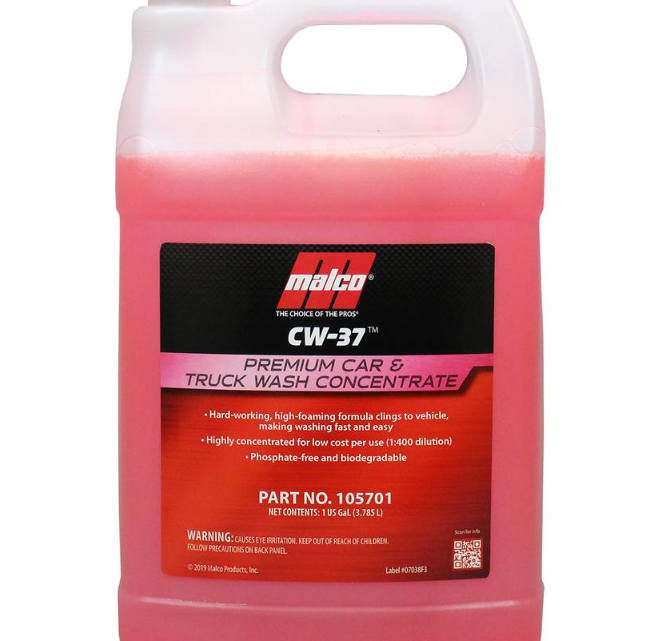
- If you wash at home, use biodegradable, phosphate-free soap and wash on grass or gravel so the water gets filtered.
- Skip the hose — use a bucket and a spray nozzle to minimize water waste.
And hey, a dirty car isn’t the end of the world. Washing less often saves water and reduces chemical runoff. Your car can handle a little dust.
Brake pads and emissions: A surprising connection
Here’s something most people don’t think about: your brakes. Traditional brake pads contain copper, which wears down and ends up in waterways. In fact, brake pad dust is a major source of copper pollution in urban areas. Switching to ceramic or low-copper brake pads reduces this environmental impact without sacrificing performance. Plus, they last longer — less waste, less hassle.
Also, driving smoothly (as mentioned earlier) reduces brake wear. So it’s a double win: fewer particles in the air and water, and fewer trips to the shop.
When to replace vs. repair: The eco-conscious choice
There’s a fine line between keeping an old car running and pouring money into a lost cause. From an eco-perspective, repairing a car often has a lower carbon footprint than manufacturing a new one. But if your vehicle is a gas-guzzler with failing emissions, upgrading to a hybrid or electric model might be greener in the long run.
That said, don’t rush to replace. A well-maintained older car can be surprisingly efficient. Focus on the tips above, and you’ll extend its life while minimizing its impact. It’s about balance, not perfection.
Quick reference: Eco-friendly maintenance checklist
| Task | Frequency | Eco-benefit |
|---|---|---|
| Check tire pressure | Monthly | Improves fuel economy, reduces emissions |
| Replace air filter | Every 12,000-15,000 miles | Better airflow, less fuel waste |
| Use synthetic or re-refined oil | Per manual (5,000-7,500 miles) | Fewer oil changes, less waste |
| Drive smoothly | Every trip | Reduces fuel consumption and brake dust |
| Wash car responsibly | As needed (less is more) | Prevents water pollution |
| Switch to ceramic brake pads | At next replacement | Less copper pollution, longer life |
Print this out, stick it on your garage wall, or save it to your phone. It’s a simple roadmap to greener driving.
The bigger picture: Your car as part of a system
Eco-friendly car maintenance isn’t just a checklist — it’s a mindset. Every time you check your tire pressure or choose a biodegradable soap, you’re voting for a cleaner future. You’re also saving money, which is nice. But honestly, the real reward is knowing your daily commute leaves a lighter footprint.
Think about it: cars are incredibly complex machines, but they’re also surprisingly simple to care for. A little attention goes a long way. And in a world where climate change feels overwhelming, these small actions remind us that change starts at home — or in the driveway.
So next time you’re waiting for your oil change or checking that tire gauge, remember: you’re not just maintaining a car. You’re maintaining a relationship — with your vehicle, your community, and the planet. And